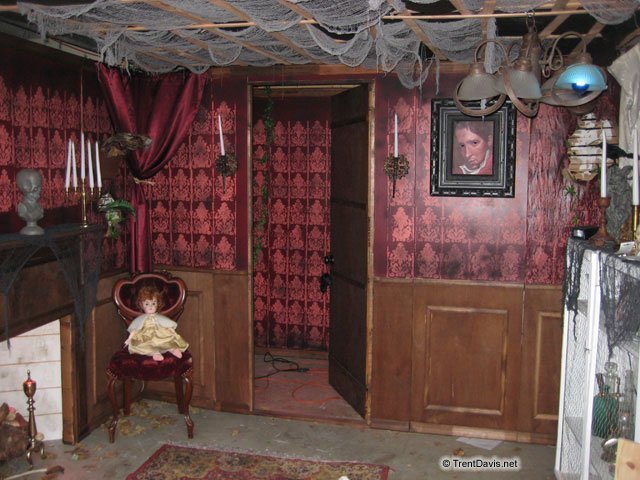
Bright & Shiny

A few years back I started recording an album with the local band Bright & Shiny. It appears that the album is now on Production Hell and may never see the light of day.

I was given temporary tracks to record along to. This was helpful but frustrating at the same time since the main songwriter likes to play “free-time” with fluctuating tempos. As the drummer, being the one who is in charge of the tempo, I was concerned with this. I have spent my life trying to have a more consistent tempo and now I’m having to fight that. That being said, I tried to get the tempo to be more consistent while allowing the songs to have the varying feel that the songwriter was after.

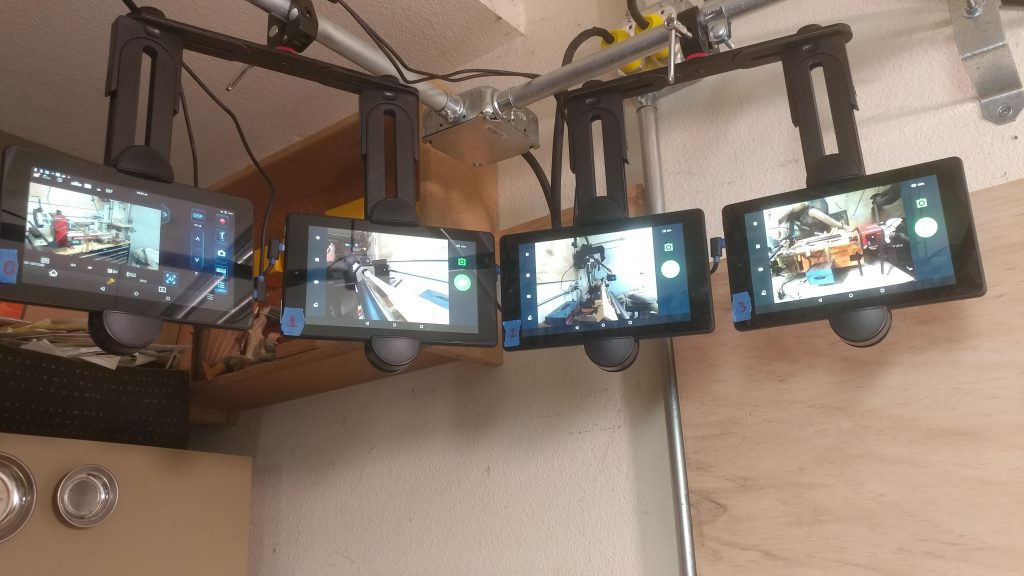
Since these songs may never see the light of day, I decided to share the video performances here in hopes that it might generate enough interest in this project to get it finished. I was working on videos that show the main drum performance along with little pop-up videos of the backing percussion. Sadly, I only got this far with the first song, but this is why there is a black border around the videos.

I’ll present each song along with some notes on each one. Keep in mind that the tracks I’m playing along to are not the finished performance from the rest of the band.

Soothsayer

This is one of my favorites. As such, it’s the one that I got the furthest with. This song is inspired by the character of Lodz from the HBO show Carnivàle.

I created a tempo map for this song. The first half is played loosely to a click in that the beginning of the chorus speeds up a bit then slows down towards the end so it lines back up on the click as the next section starts. Once the song changes about halfway through, the tempo goes all over the place, speeding up then slowing down, then speeding up again with no rhyme or reason, never getting back on the original click. I had to do my best to keep it sounding smooth and intentional.

The Places We Must Go

I really like this one and I would love to hear how it would have ended up. I had some pretty big plans for this one, percussion-wise.

Crooked Tree

I got a chance to dust off my brushes for this song. I have since done a lot more brushwork so I cringe a little bit when I look back at this video. Still, I think it sounds pretty good.

Christopher and Anna

The backing vocals are missing from this scratch track so there are some awkward pauses here and there.

Fallen Trenchcoat

This song starts out pretty mellow but builds in dynamics towards the end. If memory serves, this song is about three-ways.

Don’t Take My Meds Away

They pulled a fast one with this and added an extra section after I had finished my recording. I had to splice in a previous take of different section at the end when it starts to fade out.

Genesis Story

This was the first song I recorded for Bright & Shiny. I was really fighting the tempo on this one and I chose to keep it tight with the click. As a result, it doesn’t flow very well. What I should have done was what I ended up doing with the rest of the songs which is meet in the middle, acting as a bridge between a tight click and the loose “sloppy” sound of the wavering tempo.

I like the chorus because I get to play a driving Charlie Watts beat like the one he plays in Midnight Rambler in the faster section.

Your Face Is Upside-Down

I tried to take a different approach with the beat for this song. To match the title I turned the beat upside-down by swapping the kick and snare parts during the verses.

The End Holding Your Hand

There are some rather tasty double-bass triplets at the ending buildup in this song.

This Waiting

There are some decent driving beats in this song as well as some subtle hi-hat pedal work.

That’s all..

I would love to finish this project but it seems to have died. If anyone is interested in seeing this get finished, let me know and I’ll pass this along to those involved. Maybe we can generate enough interest to make it happen.
News – February 11th, 2019 – Cymbal Cart, Wood Paste, New Docs, Studio Desk, and Router Table Article

Progress on the Cymbal Cart

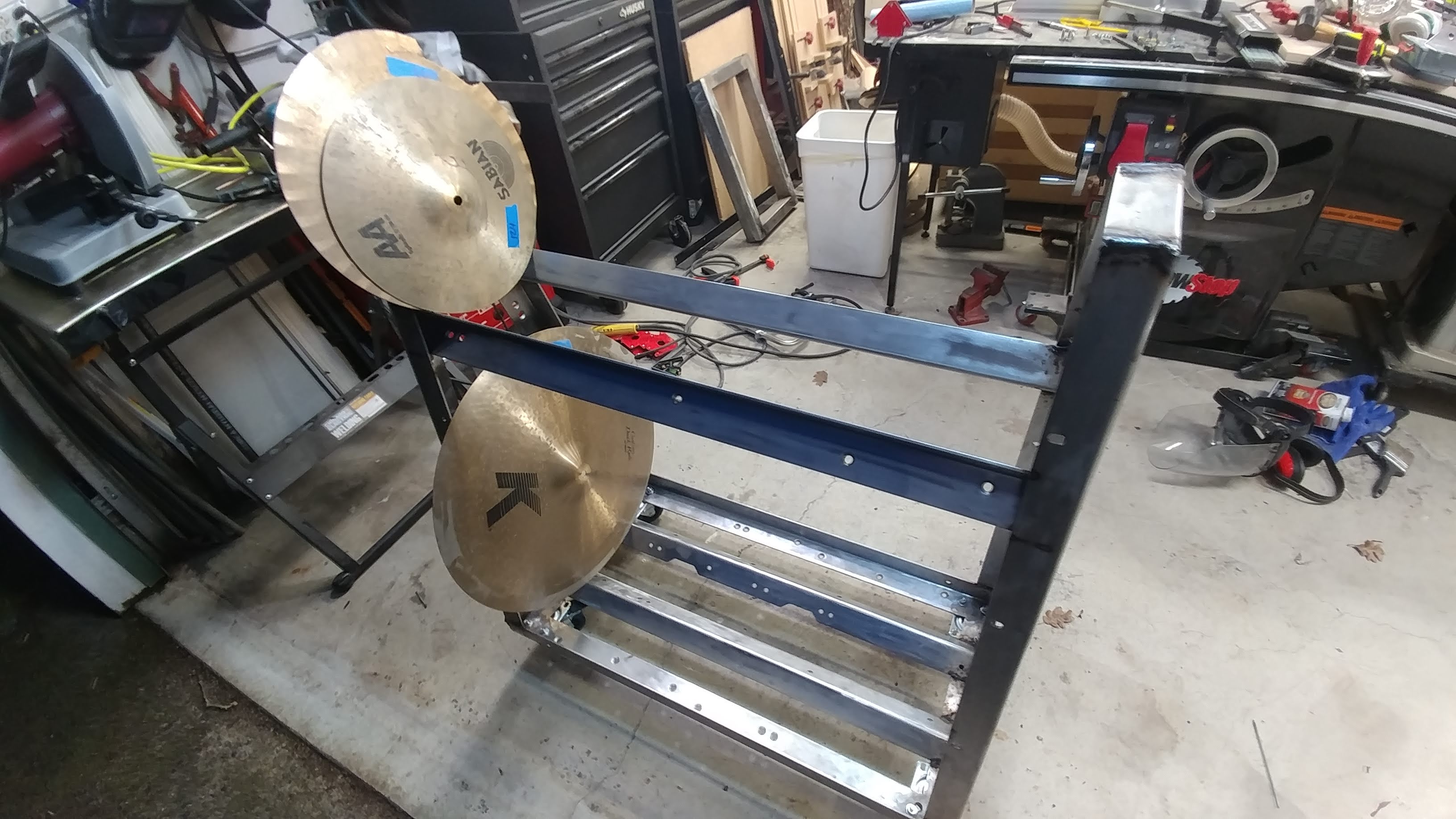
I got the cymbal cart all welded together. I just need to clean it up by grinding down the welds, protect the steel so it doesn’t rust, and attach some non-slip material to the bars so the cymbals don’t slide all over the place.

I should probably state that I really suck at welding, but projects like this are good practice and force me to get better.

Trying out some new products

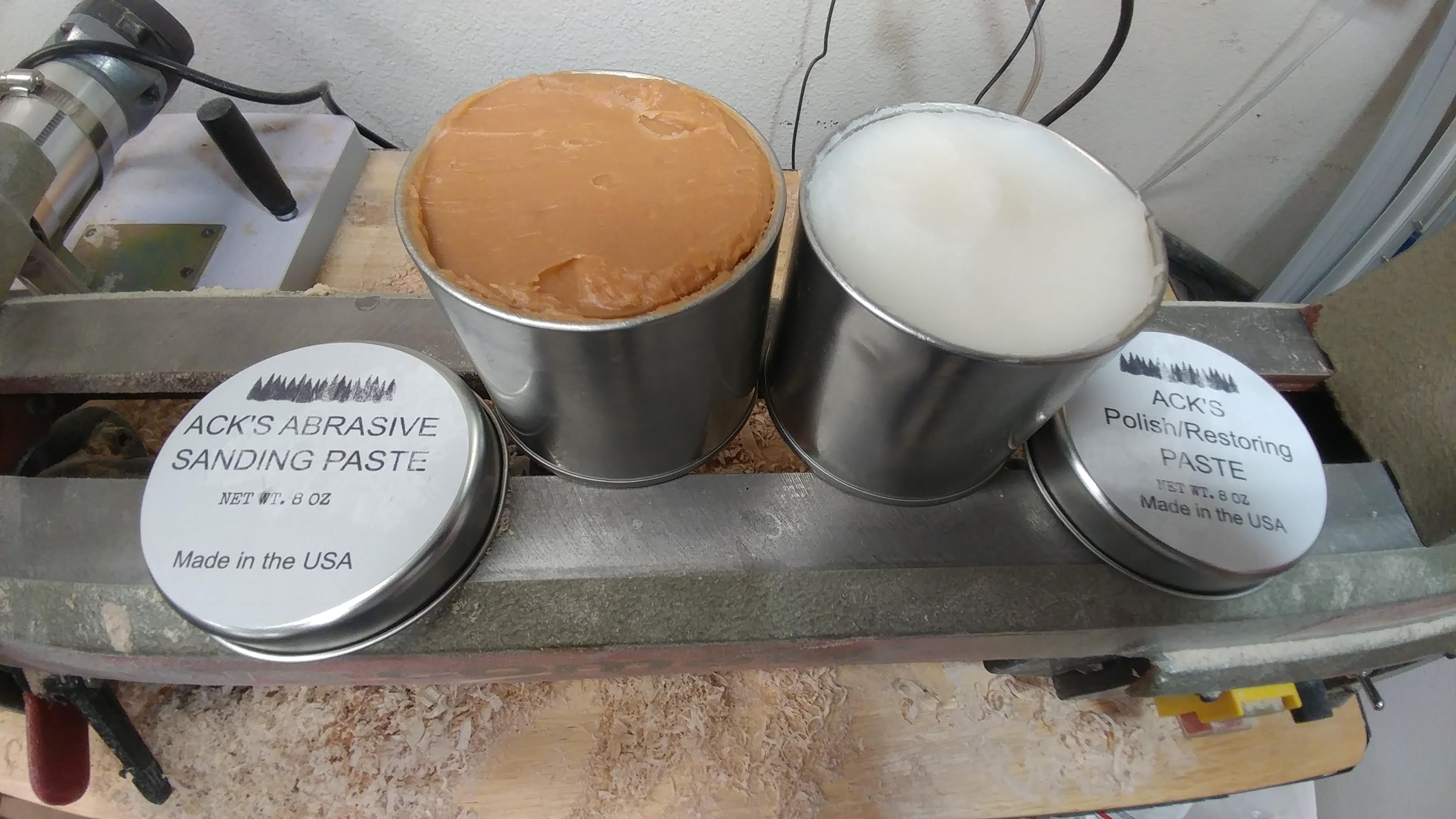
At the suggestion of Gord Rock, I am going to be trying some of Ack’s Abrasive Sanding Paste and Polish/Restoring Paste. From what I’ve seen online, it seems to work really well.

My shop is in disarray right now due to the cymbal cart project so I can’t do any woodturning for a few days. I’ll be sure to write up a review after I run it through its paces.

Gord Rock

https://ackswoodpaste.com/

New Doc Martens!

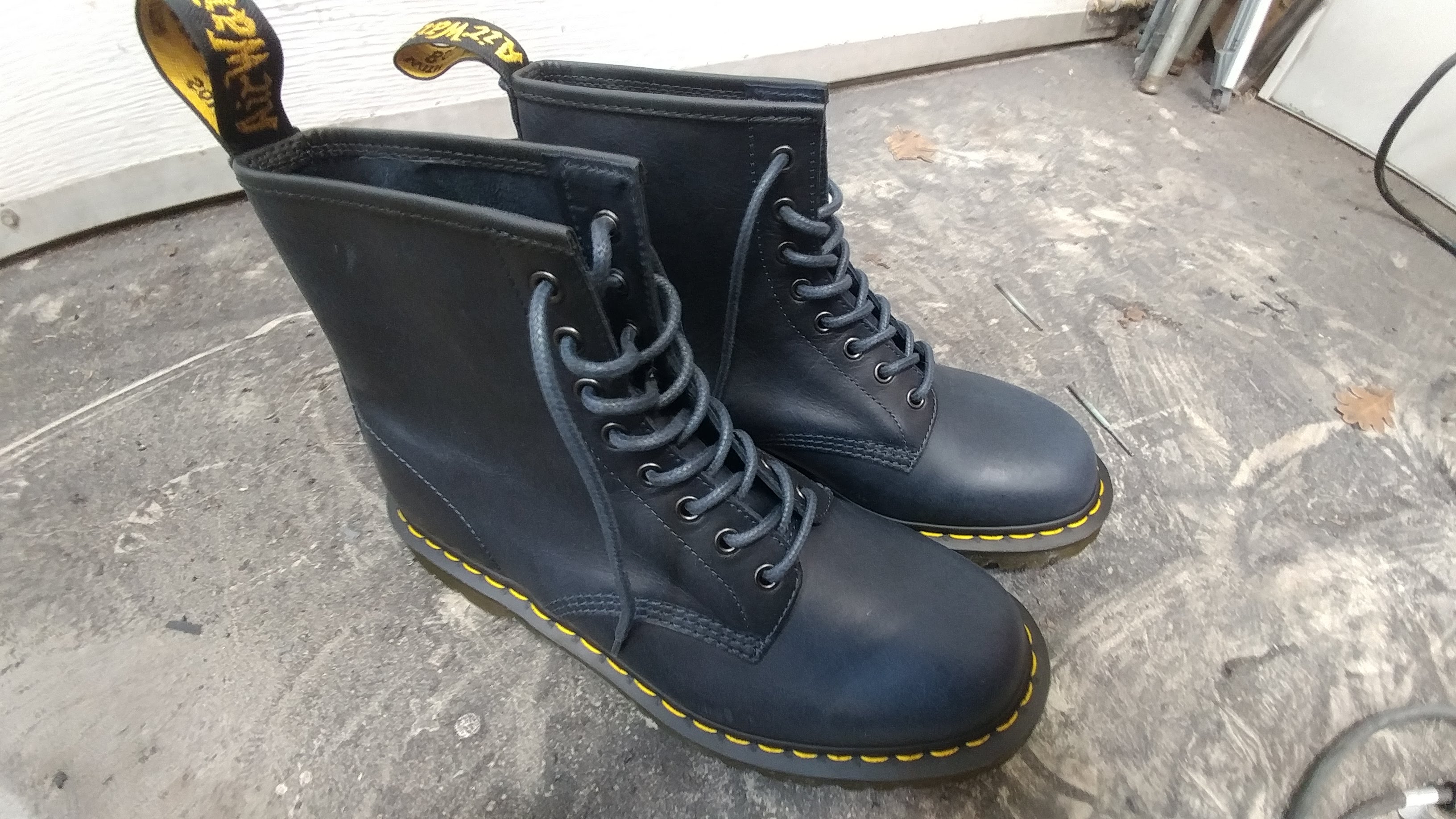
My black Docs have finally retired after two and a half years of constant abuse. I got a new pair of Navy Docs and for the very first time in my life a pair of Docs doesn’t need any breaking in. I’m used to spending a few months painfully wearing a new pair of Docs for a few hours a day until they are finally comfortable enough to wear all day. I put these on and they’re perfect right out of the box!
No More Studio Desk

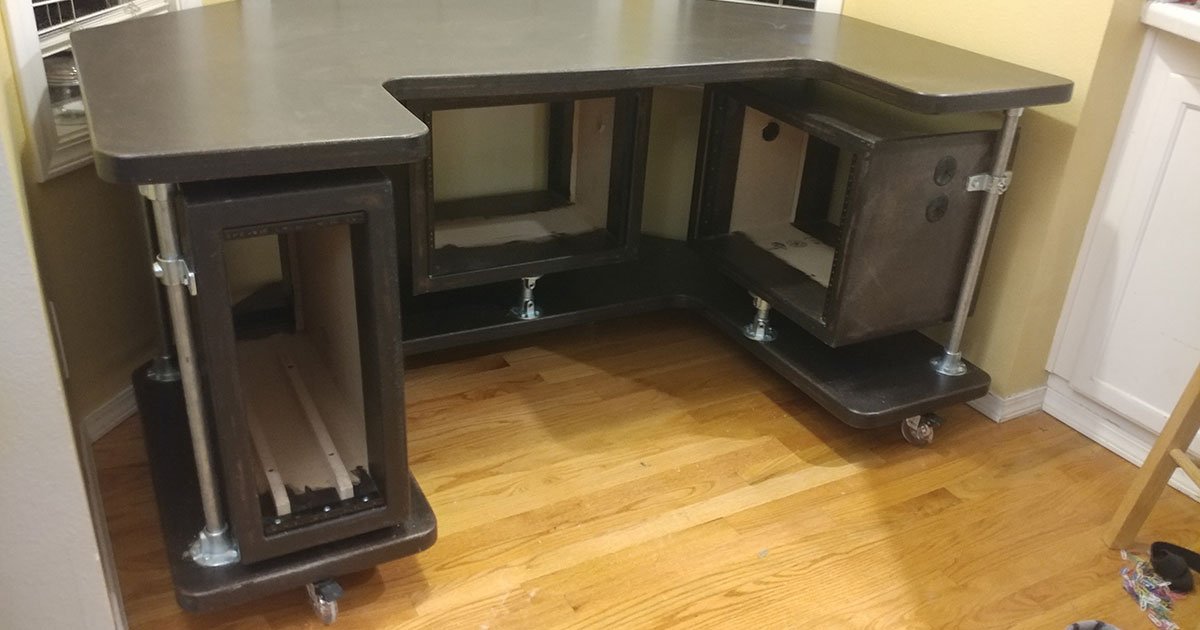
I have gotten rid of my studio desk after much debate. I really liked it but it was just too big and I didn’t end up using it the way I had hoped I would. I’m replacing it with a new desk with a separate rolling rack for all my gear. I’m looking to make something much more compact and portable. I’m still in the designing phase now but I’ll post some updates here soon.

If you aren’t familiar with my studio desk, below are the articles showing how I put it all together

Router Table Article

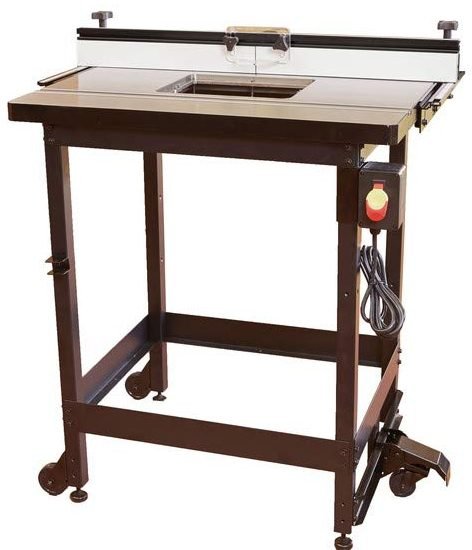
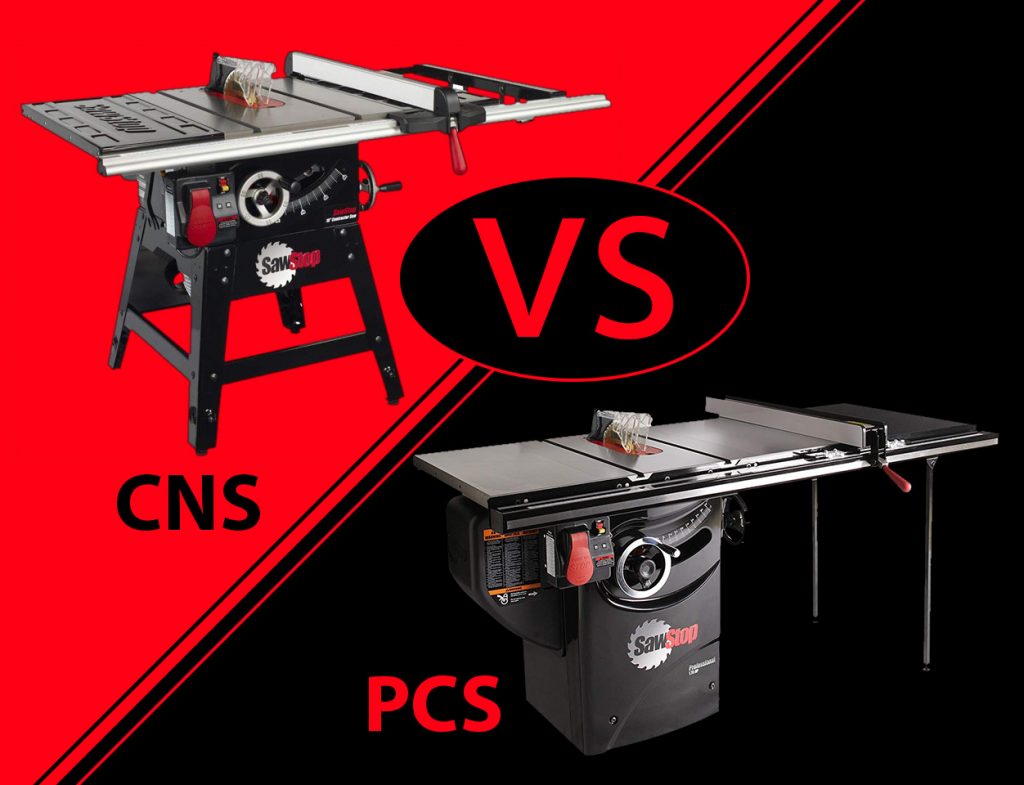
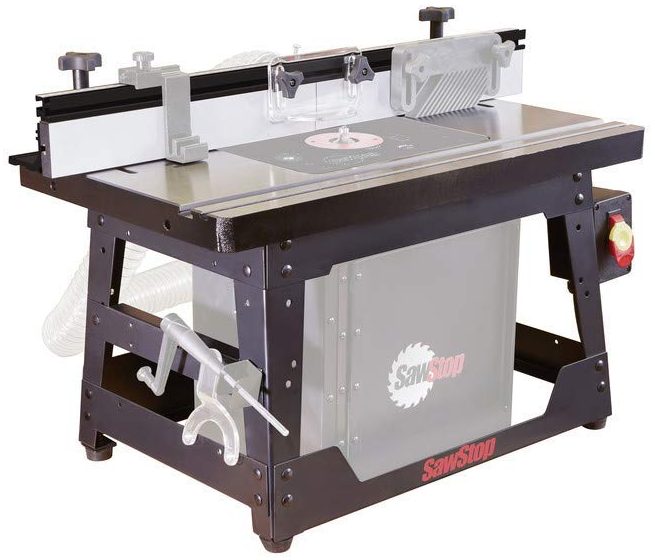
Due to the popularity of my Choosing a SawStop – Contractor Vs. Professional article, I have begun writing up an article that covers the SawStop router table options, including any incompatibilities you may run into. I hope to have this article out in the following week or two.

News – January 22nd, 2019 – Woodworkers Journal Interview, SawStop Articles, and Video Progress

Woodworker’s Journal Interview

http://www.woodworkersjournal.com/trent-davis/

I was recently interviewed for Woodworkers Journal’s Today’s Woodworker feature. The article can be viewed at the link above.

If you’ve ever been curious as to how I got started doing what I do, it might prove to be an interesting read.

Choosing a SawStop Article

https://www.trentdavis.net/wp/2019/01/18/choosing-a-sawstop-contractor-vs-professional/

I have finally completed the first article in my Choosing a SawStop series of articles. This one covers the differences between the SawStop Contractor Saw and the Professional Saw.

My next article will cover the differences between the Professional Saw and the Industrial Saw.

After that I will cover the differences between the JobSite Saw and the Contractor Saw.

YouTube Video Progress

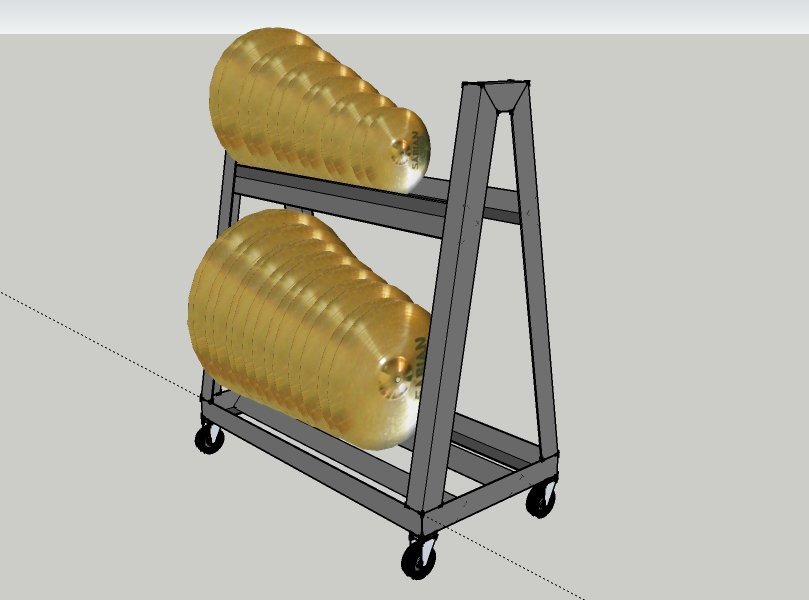
I’ve been working on another YouTube video where I show how I’m building a cart out of angle-iron for holding a bunch of cracked cymbals.

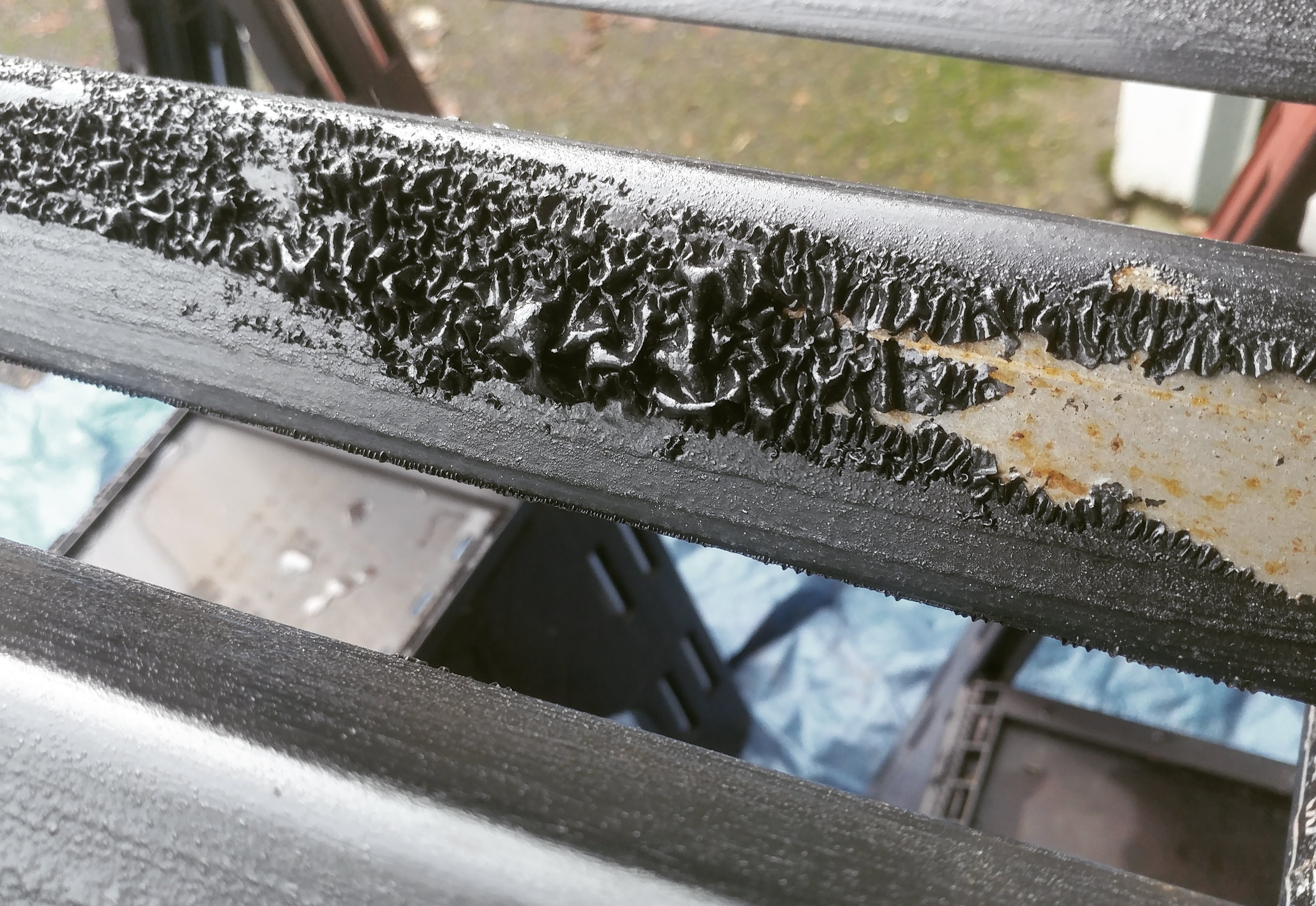
Since the angle-iron I’m using is powder-coated, I want to remove all that so I have some good clean metal to work with.

The photo to the right shows the effects of Rust-Oleum Aircraft Remover after sitting on the powder-coating for about 15 minutes. As you can see, the powder-coating is basically dissolving, allowing it to be scraped off easily.

News – December 13th, 2018 – Lots of Updates

New Welder

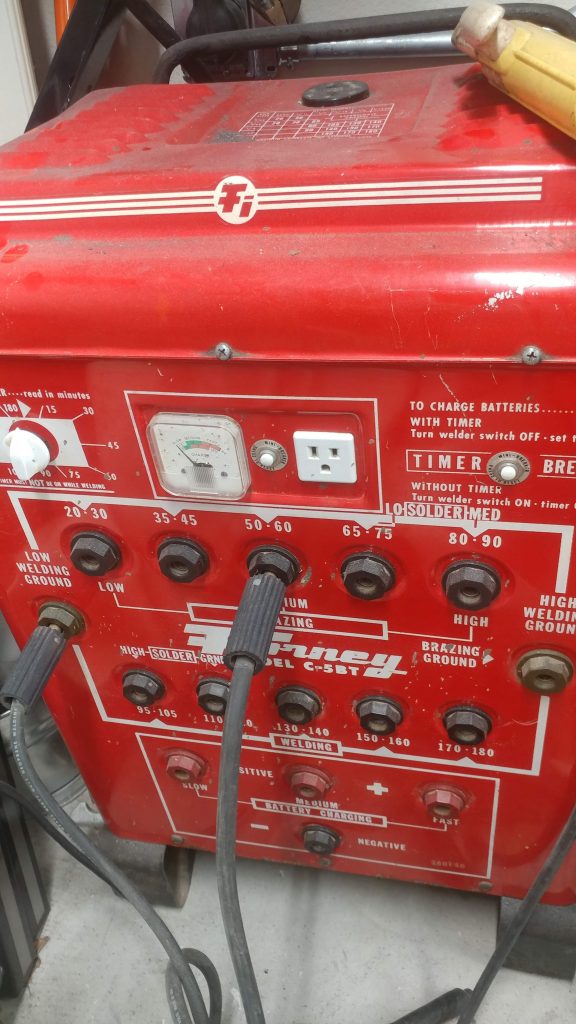
I traded in my Harbor Freight 110 volt welder for an old Forney 220 volt one.  It’s old, heavy, and almost too powerful.  I’m still getting the hang of it but so far I am really enjoying it and I’m looking forward to how this can help out with my projects.


New Lathe

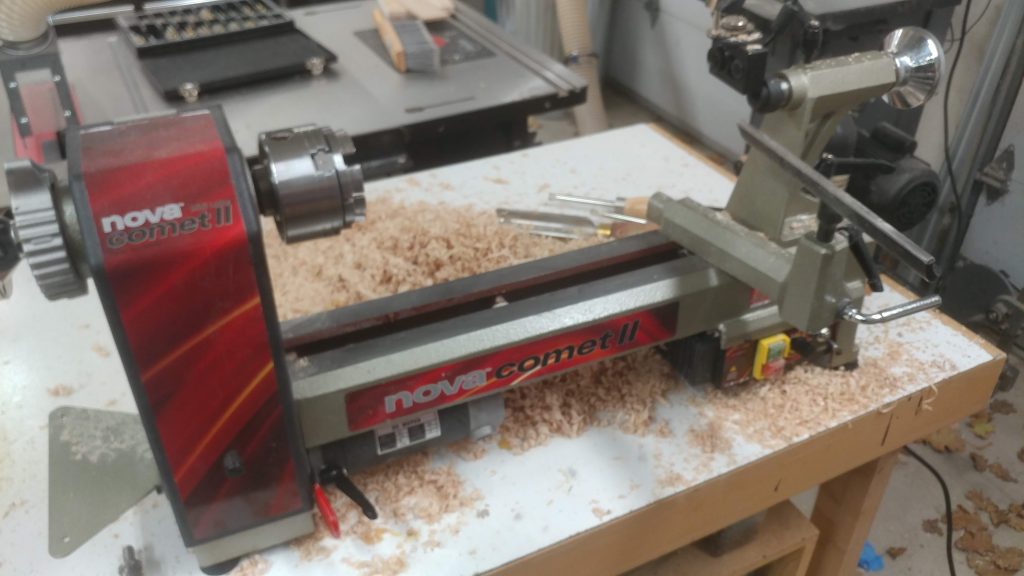
I upgraded my Excelsior mini lathe to a Nova Comet II.  It’s a minor step up in quality and capabilities and will in no way be the last lathe I ever buy, but for the time being it will allow me to do things I couldn’t do before, such as fluting and turning 12″ diameter bowls and vessels.


Cymbal Rack

Using my new welder I am going to make a rolling cart for all of my cracked cymbals.  These cymbals are currently in five separate stacks in my shop taking up valuable space and causing a tripping hazard.  This rolling cart will allow me to get comfortable with my new welder and get these cymbals off the floor.  It will also be easier to sort through them when they are stored vertically on shelves rather than horizontally in stacks.

Now, you may ask “Why does he have so many cracked cymbals”?  Good question…


Getting my Cymbal Rescue going

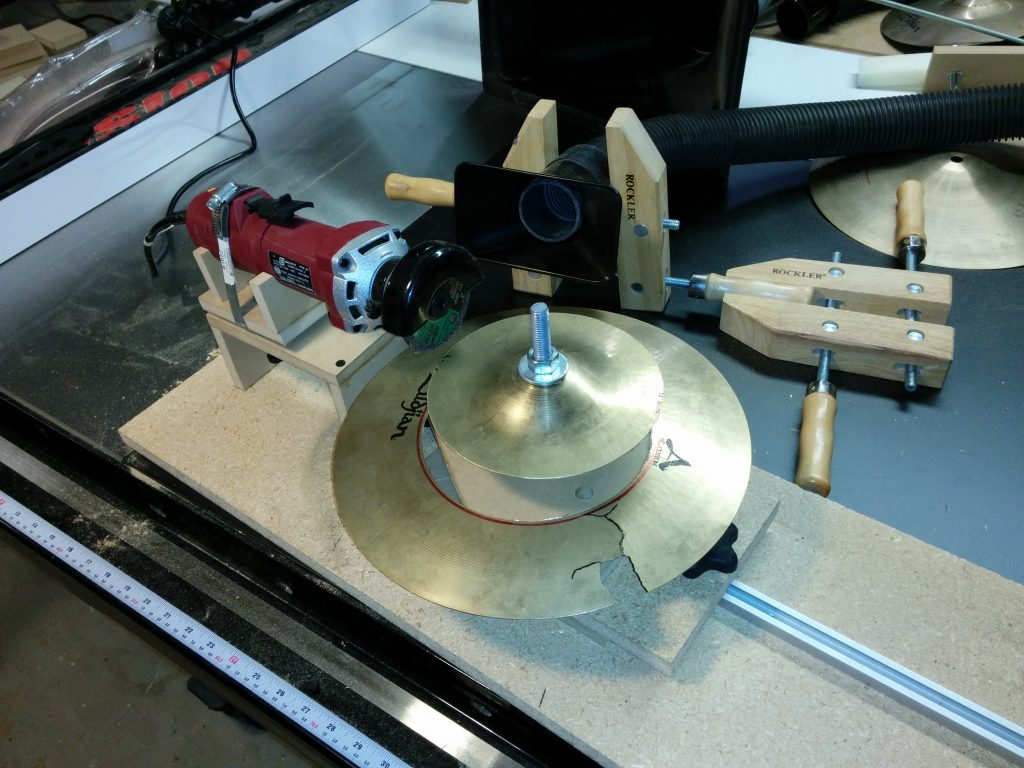
For years I have been collecting cracked cymbals, usually buying them for cheap, then cutting them down to usable sizes and either incorporating them into my kit or donating them to schools or beginning drummers.  I refer to this as my Cymbal Rescue.

It’s time to get the operation into full(er) swing.  With a decent welder in my arsenal, I can make a cymbal lathe that will allow me to not only cut the cymbals down but make them thinner as well which is necessary for achieving certain sounds.


Other Minor Updates

I’m still working on some YouTube videos and I’m also developing my next book.  The shop is going through some major renovations and I’m just trying to get through the holidays in one piece.

I’m expecting to have some major updates early next year.

News – July 24th, 2017 – New Sabian Ride

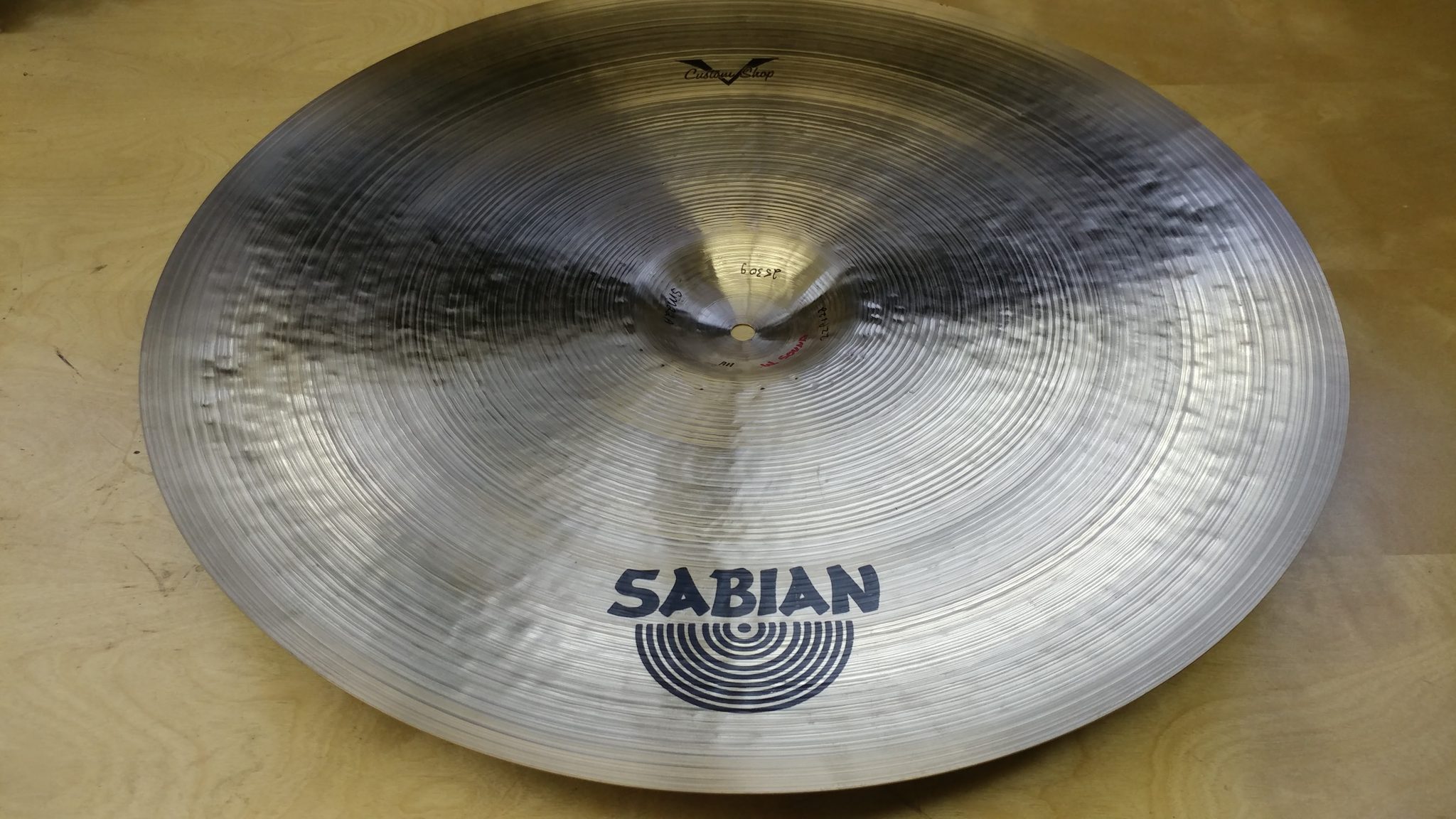
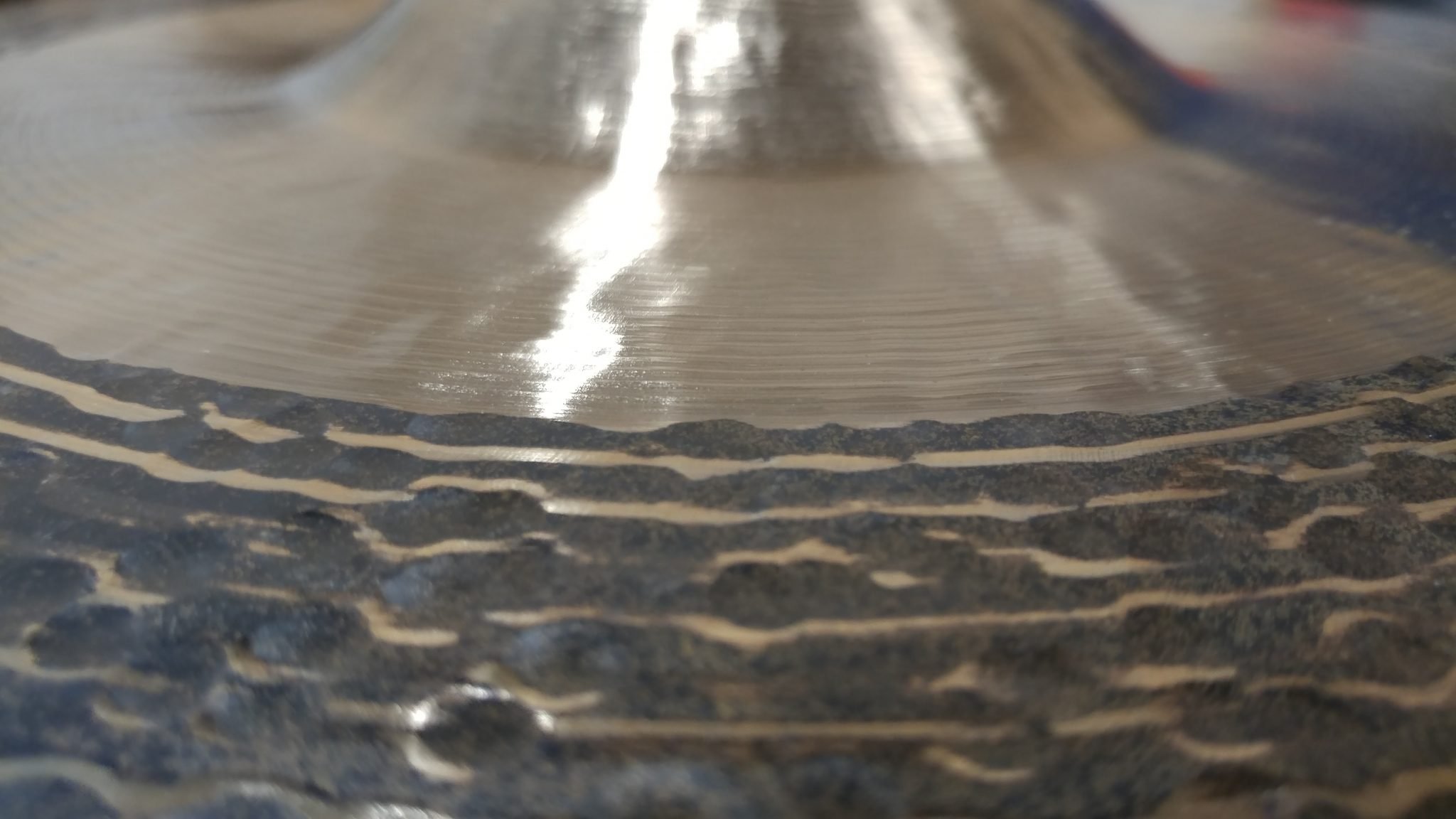
This weekend I added a new cymbal to my setup.  It’s a Sabian Vault Custom Shop HH 22″ ride with a semi-lathed pattern on the top and a completely lathed underside.


I used it at our regular Sunday gig at McNallly’s Taproom (we play each Sunday from 3:00 – 5:00).  The band plays Gypsy Jazz so it was a good venue to try out this cymbal.  I added a Pro-Mark Sizzler to it to see how it would work and it performed admirably.  I typically use a 20″ Sabian Ed Thigpen Crystal Ride with the sizzler but this 22″ cymbal is my new favorite.  Tapping it with my brushes caused it to sizzle for quite a while and it didn’t get the annoying vibrato sizzle towards the end that other, thicker cymbals get.  It complimented the cut-down Wuhan cymbals well, although it made my LP Granite Blocks rather hard to reach.

The lathing and hand hammering make for a beautiful cymbal, but also of note is the pronounced bell.  I haven’t had a chance to use this at higher volumes yet but some preliminary tests show that the cymbal crashes well, and even though I’m not one who crashes their ride cymbals, I ended up crashing on it several times and I loved the sound.


I’ll post some video of the cymbal soon.  It’s got a nice satisfying wobble to it when you hit it and a nice, dry, smoky sound.


News – June 15th, 2017 – Performance video update

The recording for the upcoming album by Bright & Shiny is progressing well.  I have been playing around with the video for a few songs and although it isn’t finished, I decided to share an early version of one of the videos.

I’m playing around with the title sequence and cutting back and forth between different camera angles.  Although the drum performance is pretty much finalized, the rest of the song is not the finished version.  Also, none of this has been mixed and mastered.

A few interesting things to note with this song is the use of some of my “Rescued Cymbals”.  In addition to the small chime cymbals that I use in pretty much every song, I am also using two cut down Wuhan Lion (or China) cymbals which are positioned above my two main rack toms.  I’m also using a 12″ Glennie’s Garbage positioned above my hi-hat.  This is quickly becoming one of my favorite cymbals.

Enjoy…

News – May 31st, 2017

 Sabian Meet The Masters 2017

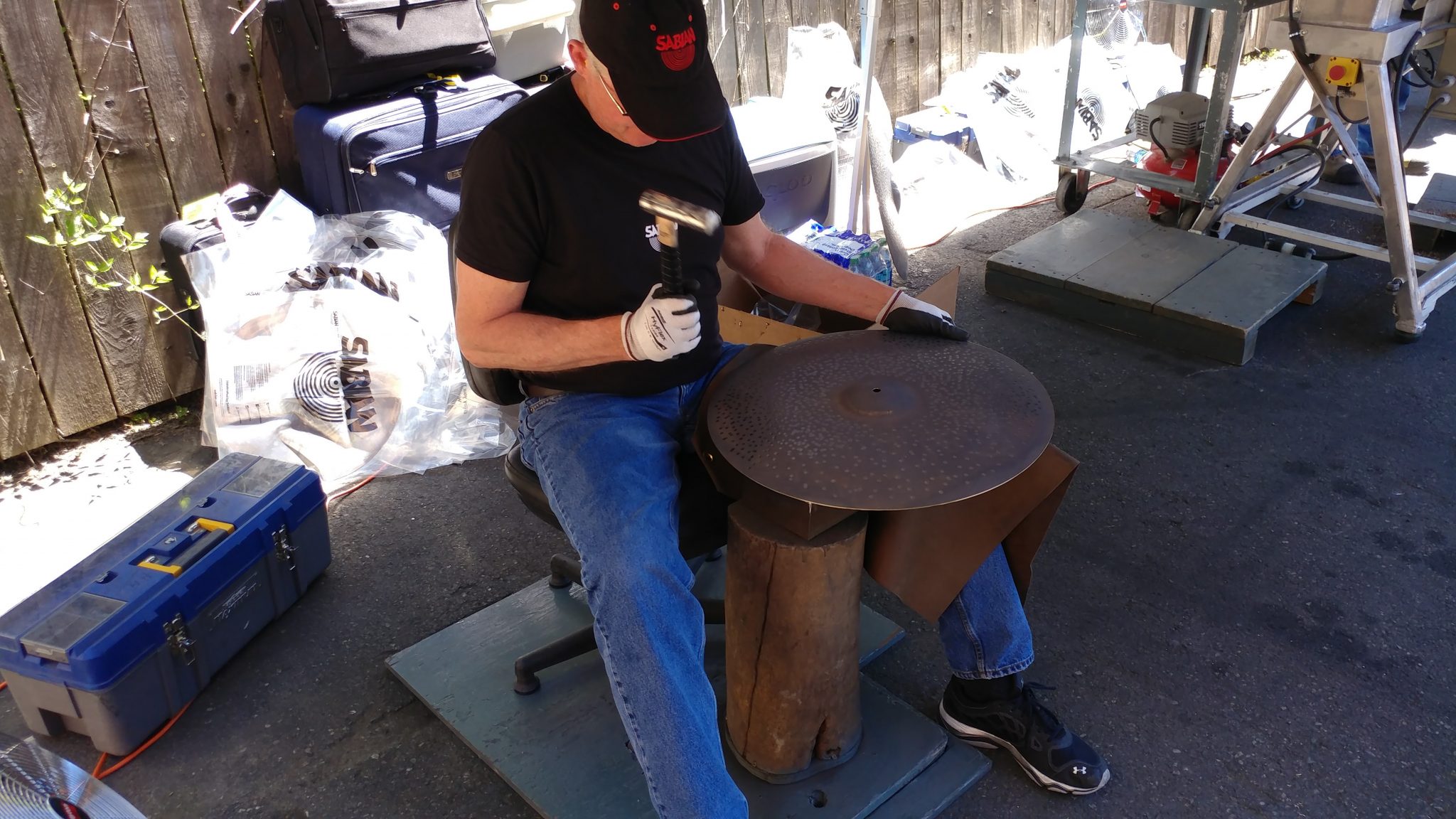
My daughter Maisie and I went to the 2017 Sabian Meet The Masters event at Rhythm Traders in Portland, OR.  They had prototypes on display and for sale along with someone hammering cymbals as well as another Sabian employee operating the cymbal lathe.

The main reason I went was to find out a bit more about the turning tools they use with their cymbal lathes.  I was thrown off a bit since the YouTube videos I’ve seen shows what looks like high-speed steel scrapers being used but some of the videos from other cymbal junkies indicate that they use carbides.  It turns out that they use carbide scrapers that look like big popsicle sticks that simply insert into a big handle.  It appears that any carbide cutting tool will work and I plan on trying out this theory later this summer.

Another highlight was getting to meet Mark Love in person.  I’ve seen him in a lot of Sabian videos.  He seems to have one of the coolest jobs.

Maisie and I each picked up a cymbal and Maisie got herself a pair of Ringo Starr signature drumsticks.  She’s a pretty big Beatles fan, which is pretty cool for an 11-year old.

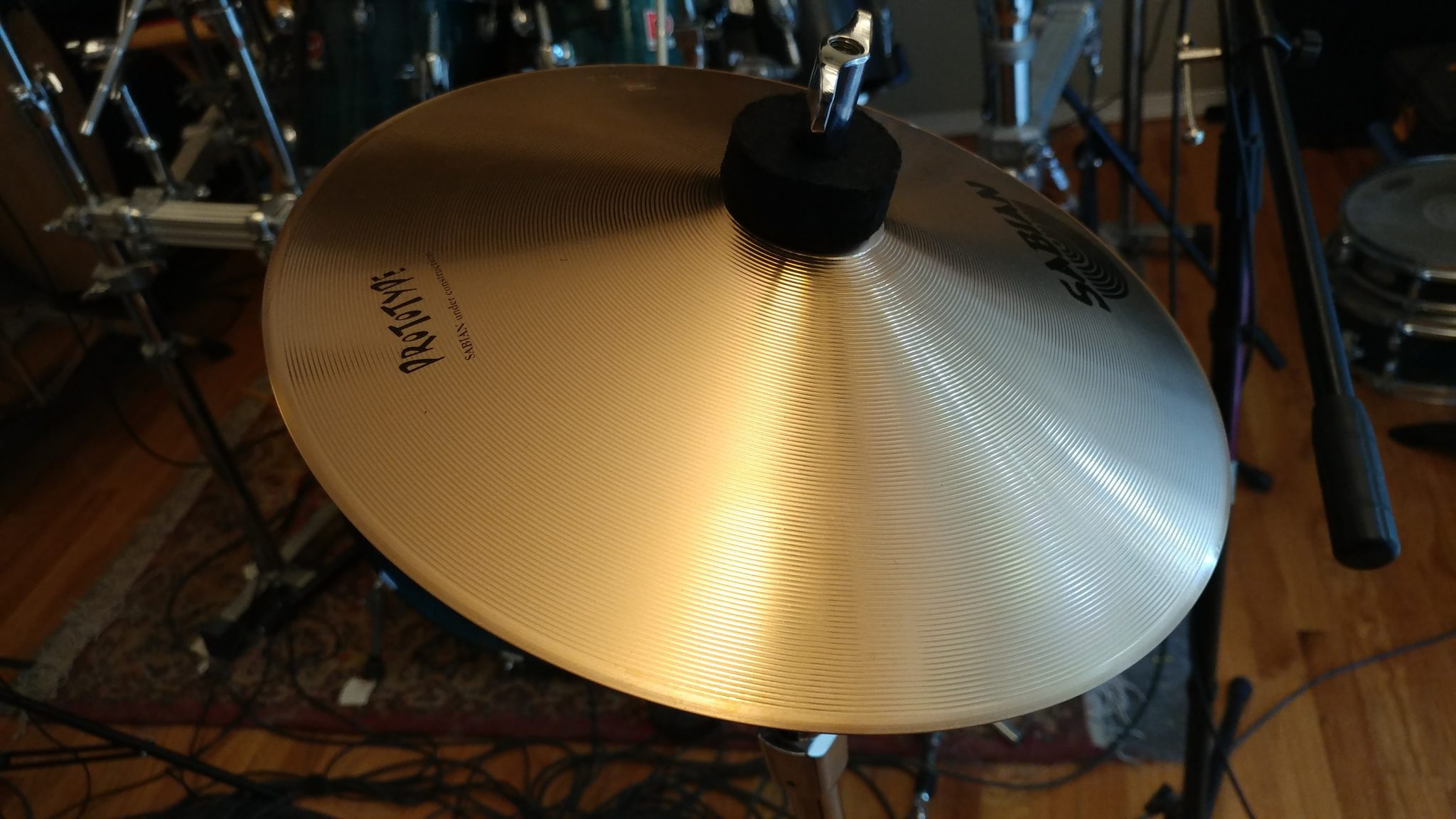
Sabian 10″ Prototype Cymbal

10" Prototype Cymbal

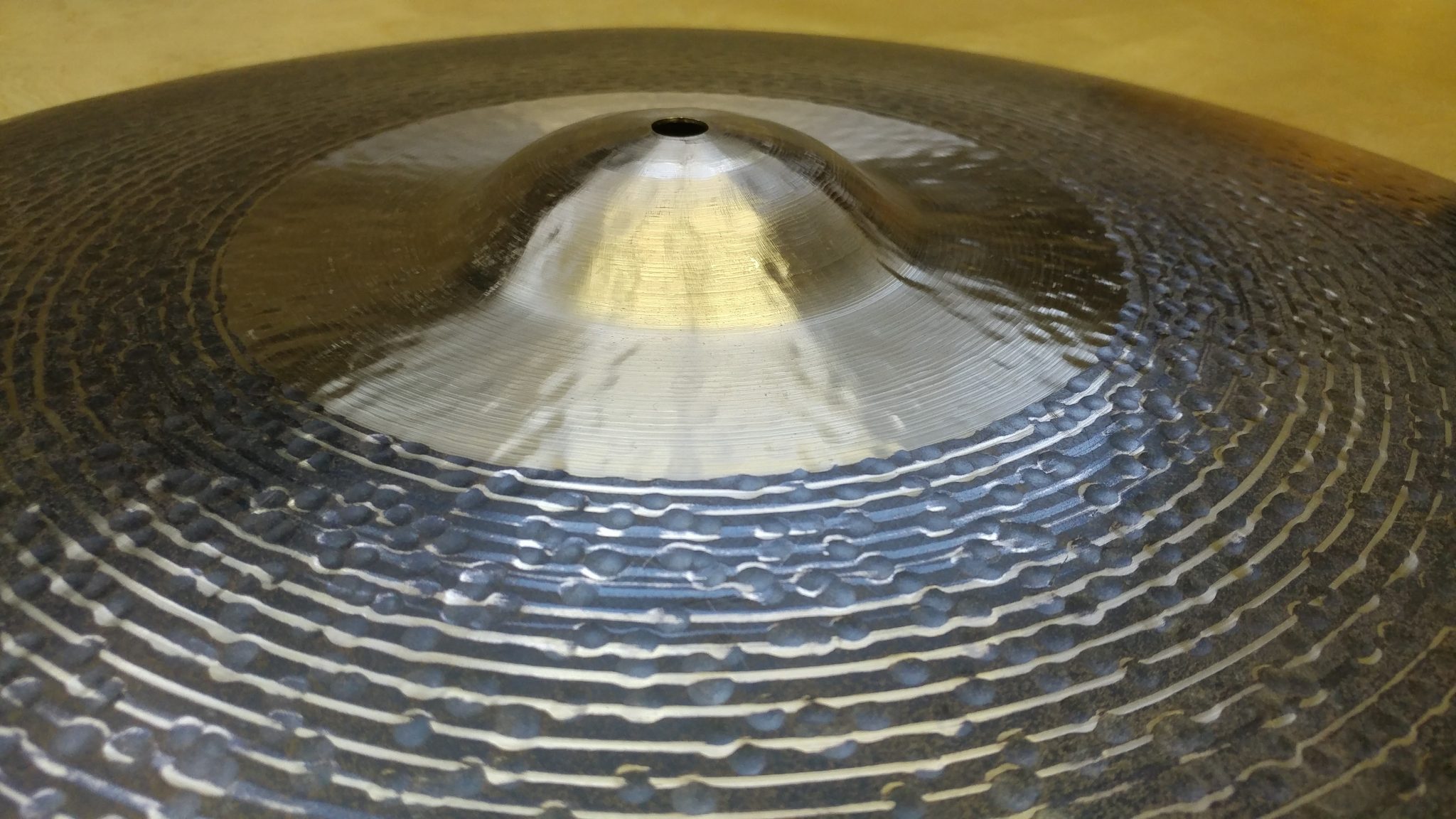
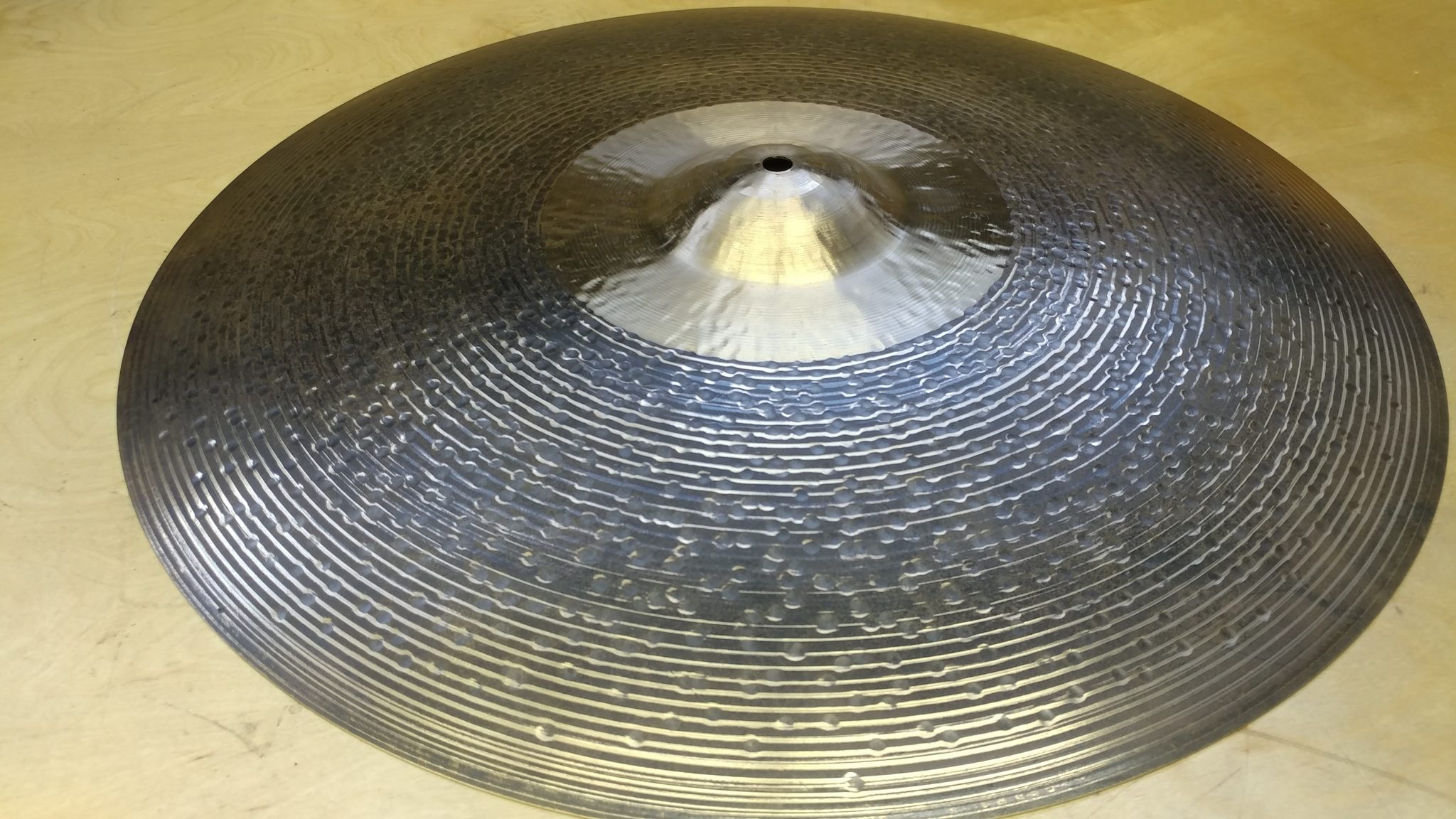
One of the prototype cymbals we picked up was a 10″ B8 conical doohickey.  Since it’s part of the Prototype line, it doesn’t really have a name, but I’ve seen it referred to as a Lamp Shade or just an FX cymbal.  It’s a conical B8 cymbal with a tight lathing pattern on the top and more of a “sanded” texture on the bottom.  There isn’t any hammering at all.  I’m normally not a fan of B8 cymbals but I decided to give this one a try since they didn’t have any of this style in B20.

Last night I got a chance to actually try it out and it actually seems to go well with my 12″ Glennie’s Garbage.  Below is a clip of one of the songs we’re working on.  You can hear the prototype at around 4 seconds and the 12″ Glennie’s Garbage cymbal at around 12 seconds for comparison.

As you can hear, the Glennie’s Garbage has considerably more sustain than the prototype, but that’s to be expected when you go from a 10″ to a 12″ cymbal.  They definitely sound like they belong in the same family.

I’ve seen these used before by Terry Bozzio. particularly in the All Cymbal Drum Set video where he takes two of the same size and tapes them together so they form a diamond.  He takes several of these in different sizes and uses them as “toms” in his all-cymbal drumset.  He does a pretty wicked roll around them starting at about 1:59.


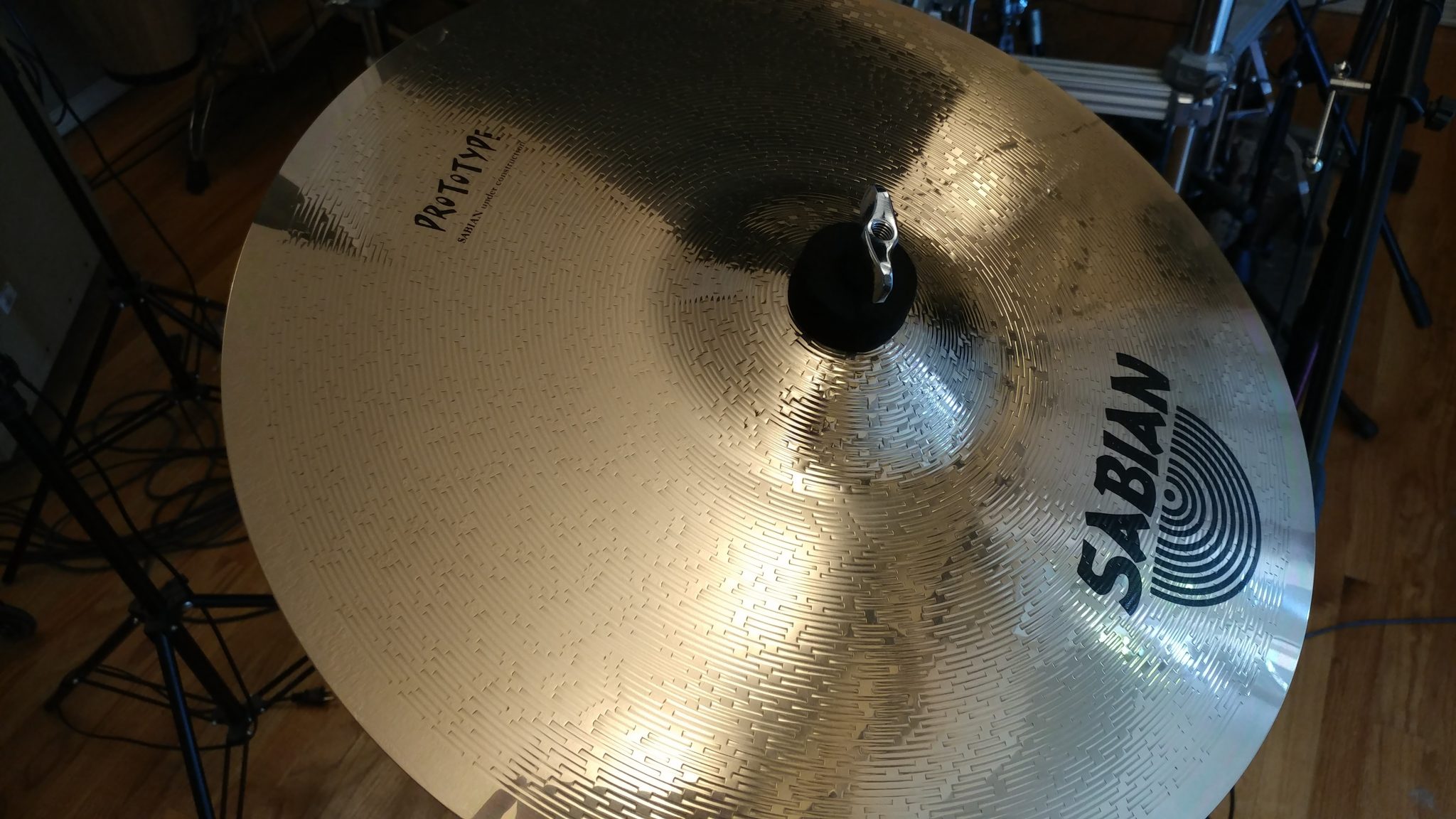
Sabian 16″ Prototype Cymbal

16" Prototype Cymbal

My daughter Maisie picked up a prototype cymbal as well.  Like mine, it’s B8 and doesn’t have any hammering.  It also doesn’t have any lathing but instead has an almost “brick-like” pattern stamped into it.  It actually sounds pretty good for a B8 cymbal.  I haven’t heard it used in a musical setting yet, so it’s hard to make a final judgement.  She seems to really like it and that’s all that matters.


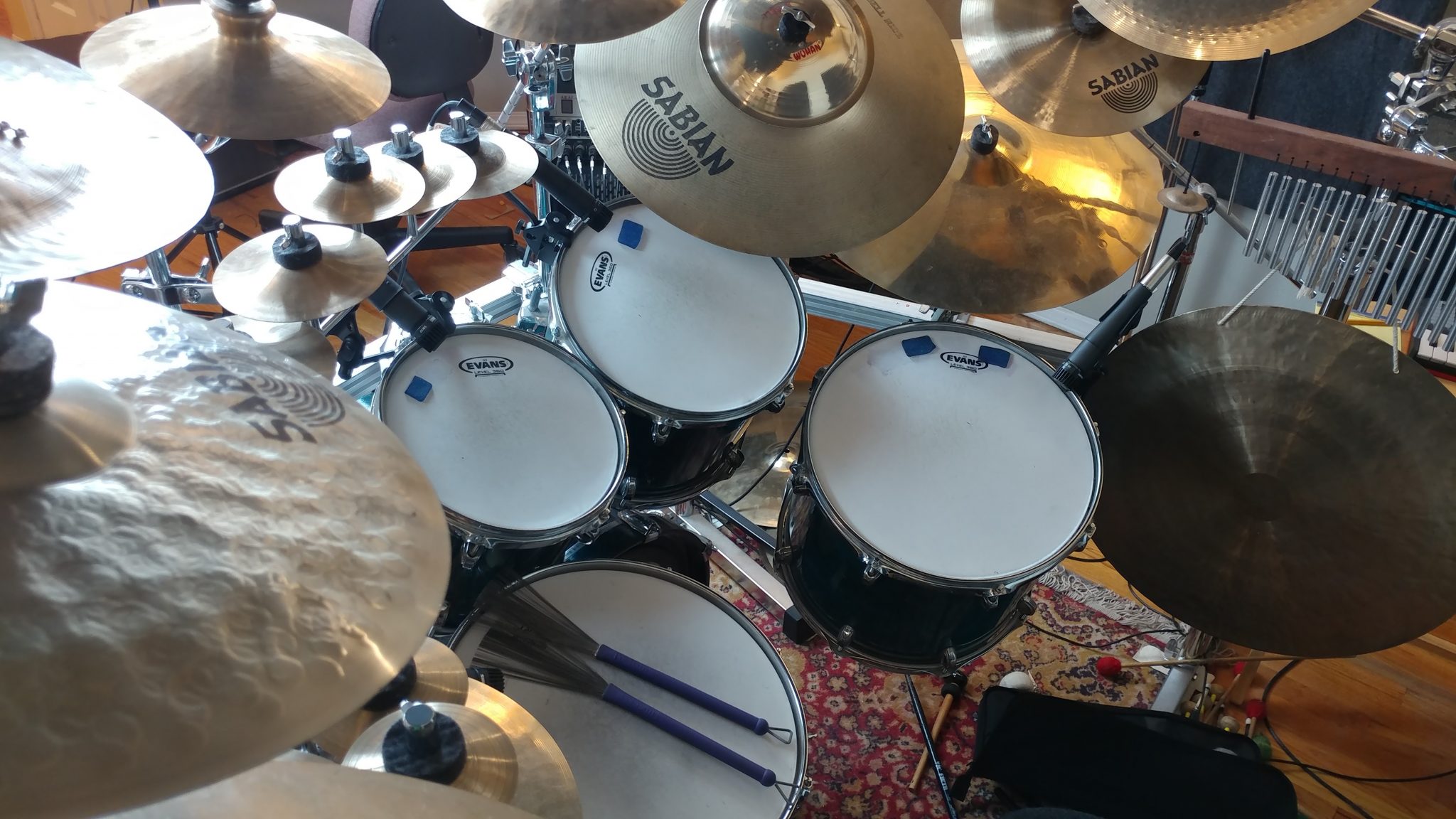
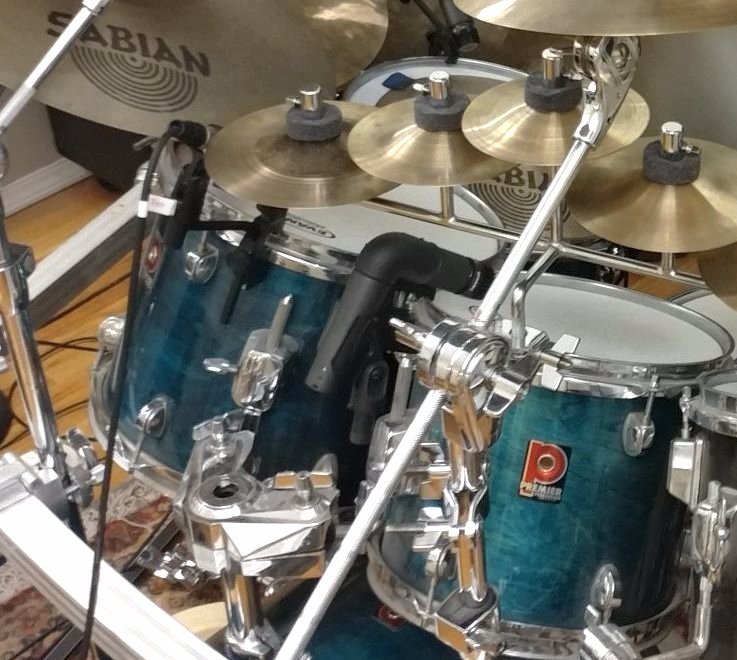
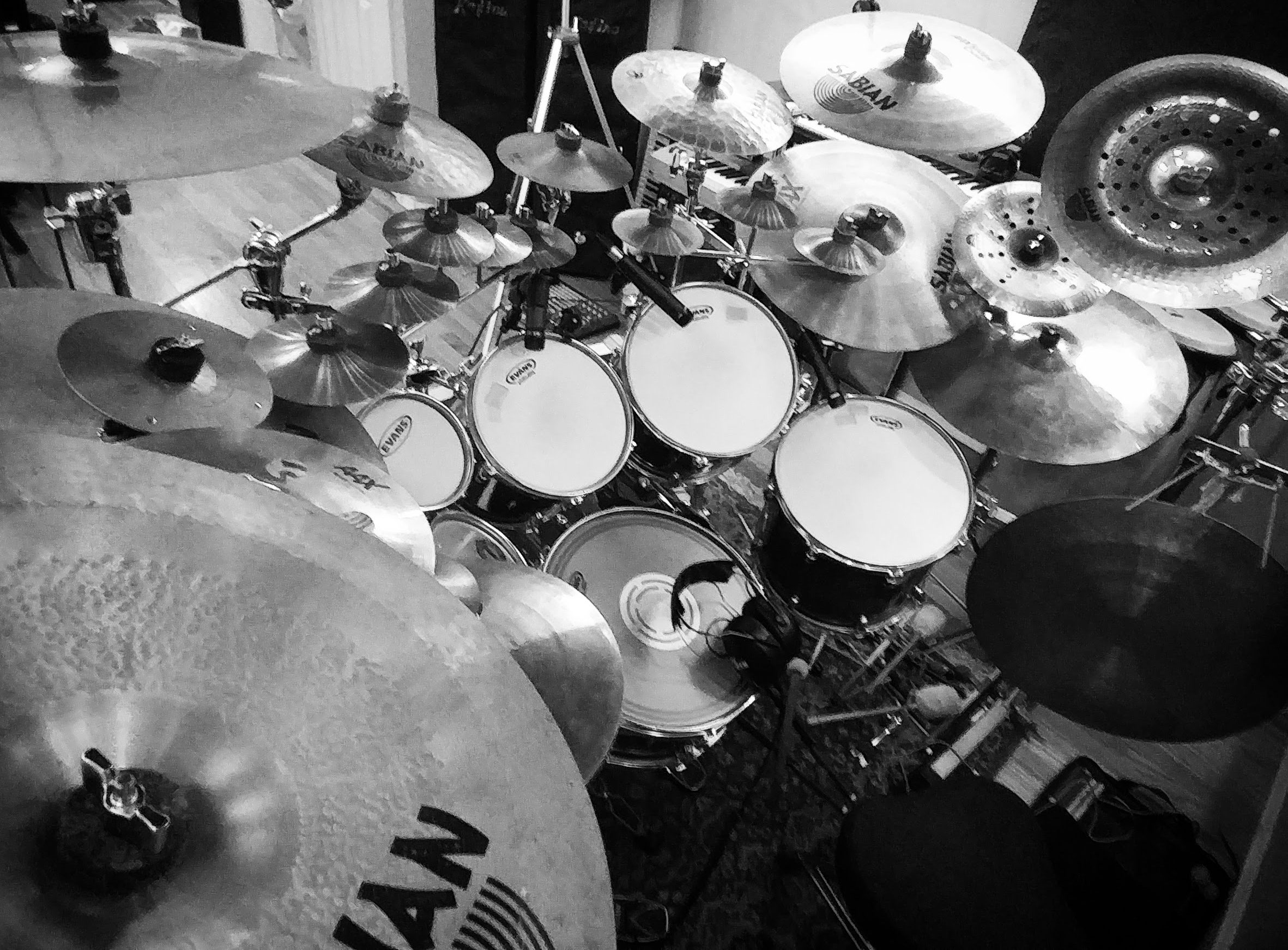
Photo taken after recording the track "Crooked Tree" by Bright & Shiny

News – May 5th, 2017

Current Projects

I’ve got several projects in the works and many more planned for the near future.  Below is a list and description of what I am currently working on.


Bright & Shiny

Photo taken after recording the track "Crooked Tree" by Bright & Shiny
Photo taken after recording the track “Crooked Tree” by Bright & Shiny

I’m about halfway through recording the drum tracks for the upcoming album by Bright & Shiny.  The style of music has been described as “dark cabaret”.  I have a video of the various percussion tracks I recorded for the song Soothsayer that I may post soon, pending permission from the song copyright holder.


Jongwon Kim

I will soon be recording and performing the drum tracks for the upcoming album by Jongwon Kim.  I will also be recording the bass guitar parts that will be performed by Kevin Cameron.  I actually already have several of the drum tracks recorded but I put that project on hold as it seemed that the song structure was going to be changing.

Here is one of the tracks that I performed.  I made a video of the recorded performance.


The Map of Alice

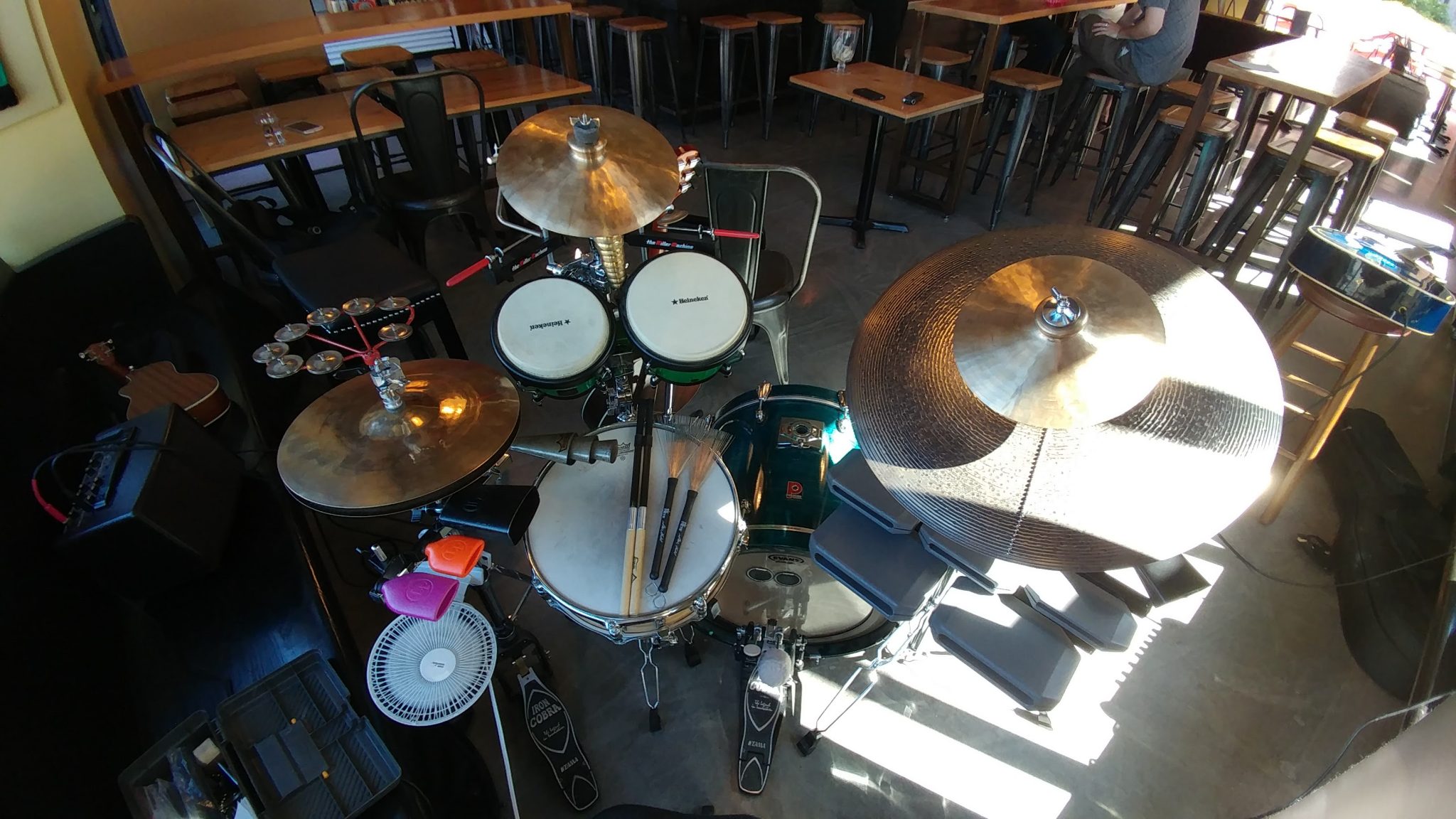
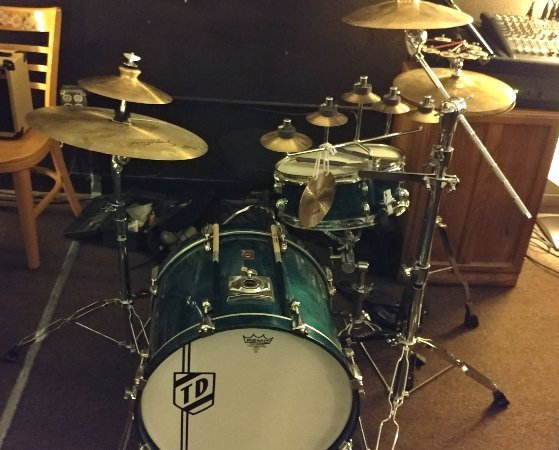
The drum setup for one of our gigs.

I have recently joined the project The Map of Alice.  This is a live band that performs improv gypsy jazz.  The band consists of two guys on acoustic guitar, myself on drums and my daughter Audrey on accordion.  We perform somewhat regularly in the Hillsboro area,  We are planning on doing some recording and video soon.  Their YouTube channel can be found here: https://www.youtube.com/channel/UCcJrxAe-Ol-VXn_HRz2DtYg


SM57 Right-Angle Mod

The SM57 on the right has had the right-angle mod applied. The one on the left with the cable plugged in) has not.

I have already performed a right-angle mod on one of my SM57 microphones.  I have several others that I will be doing this to.  I’ll be making a write-up on how to do that once I get a chance to actually do this.


Shop Cabinets

Ugh. Too shallow.
Ugh. Too shallow.

I badly need to make new shop cabinets.  I threw these together a few years back without much thought to them other than making them a uniform width and easily swappable due to the cleat system installed in my shop.  They’re too shallow.  I’m making new ones that are 16″ deep and will have doors.


Studio Desk

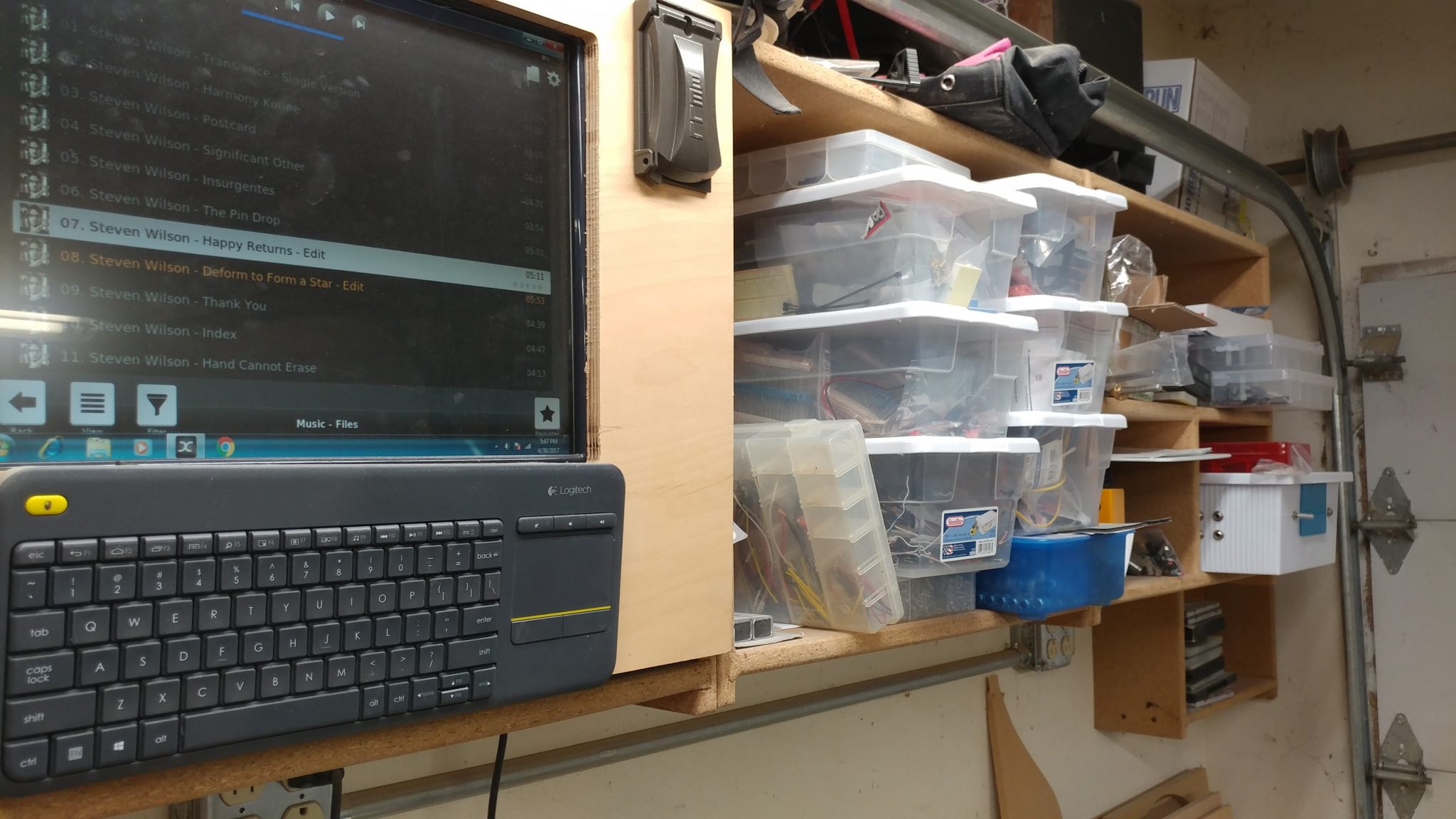
One of the many iterations of the studio desk I've been planning.
One of the many iterations of the studio desk I’ve been planning.

I’ve been long planning on making a new studio desk.  I’ve designed 9 different versions and I haven’t been 100% happy with any of them.  I have a few requirements that are making this challenging.

  1. It needs to be on wheels.
  2. It needs to have one side that is a computer desk for the recording engineer and the back should have a computer monitor that mirrors the engineers display for the musician.
  3. It needs to have rackspace.  Specifically, I need one 4u rack for the PC, and one 4u (or two 2u racks) for the musician’s side which will have patchbays and tuners and one 4u (or two 2u racks) for the engineer side with the power strip and the recording interface.
  4. It should be wide enough to house a single computer monitor and two studio speakers.
  5. It needs to be self contained.  I want to be able to plug one power cord and one ethernet cable into the back or side of the desk and have everything work.

I’m getting closer to a final design.  I’m toying with the idea of designing it like a road case so I can pack it up and throw it in the back of my car and take it out for some remote recording.


Road Case for Live Shows

Speaking of road cases, I’m going to design and build a more portable version for housing a mixer and any live gear.  I’ll keep you posted on any progress on this.


Making a guitar pick from a cracked cymbal – Part 2

This is an update to my original post titled Making a guitar pick from a cracked cymbal.

I learned a few things since making that first pick.  Here’s what I did differently.

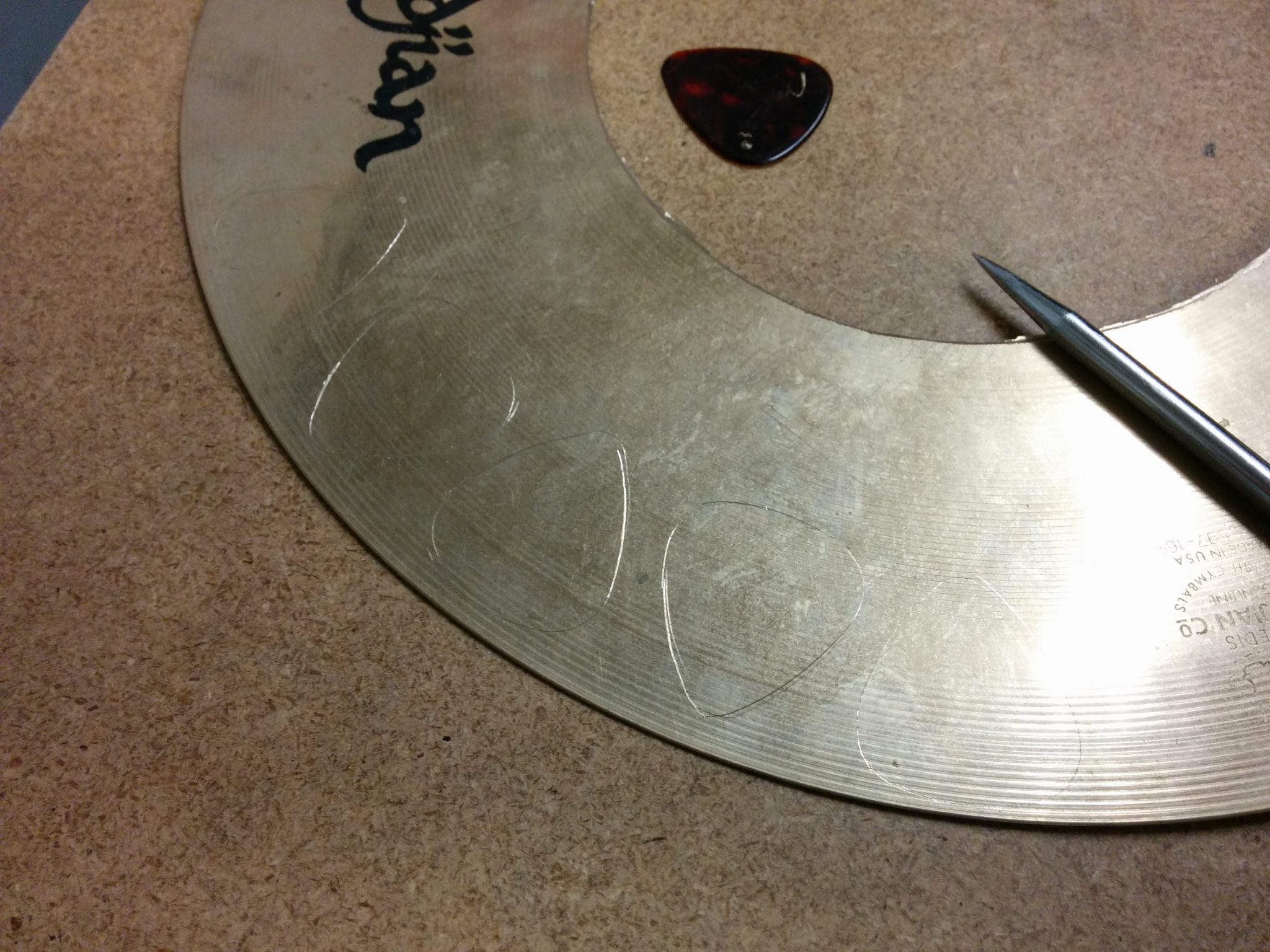
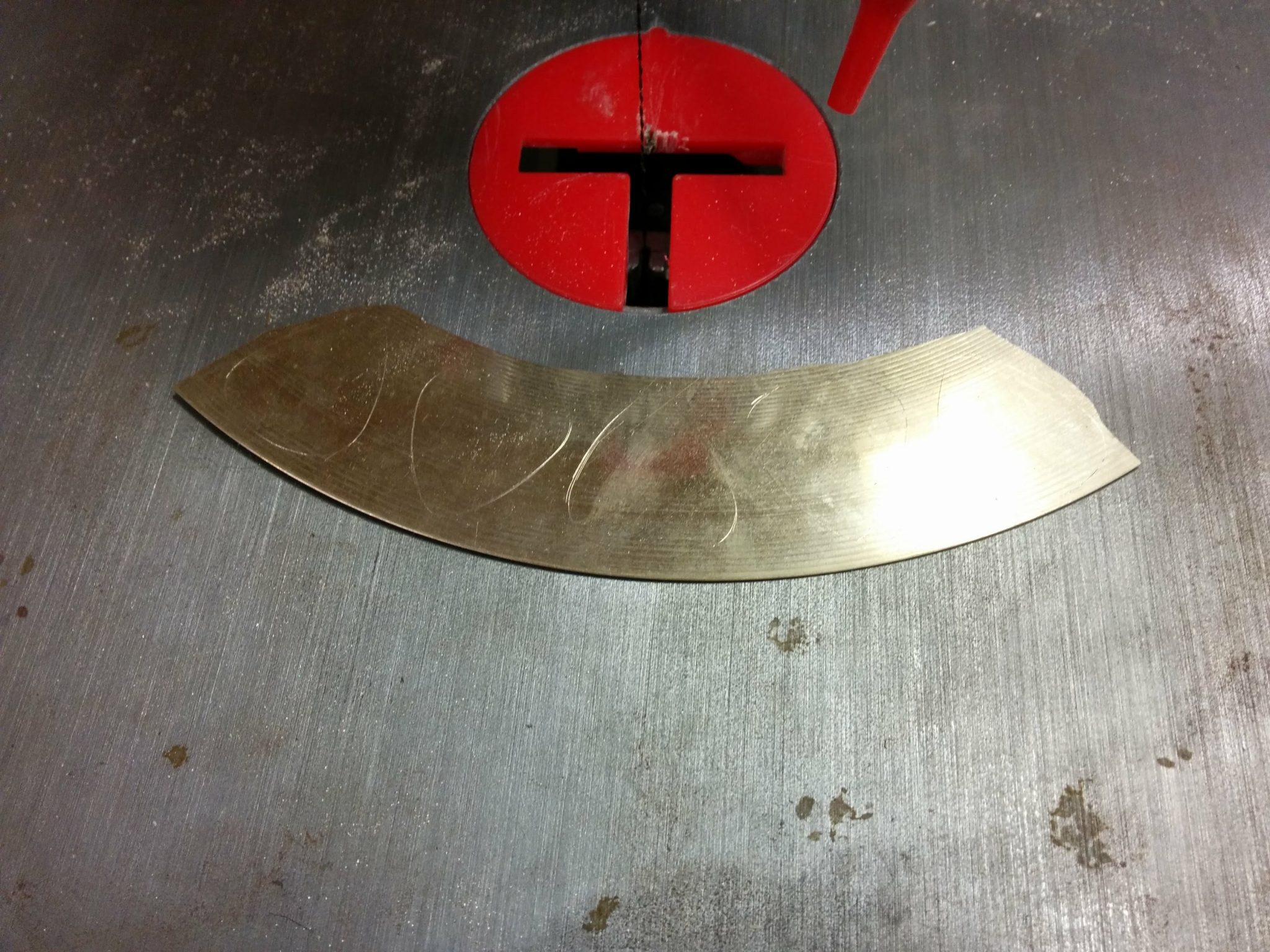
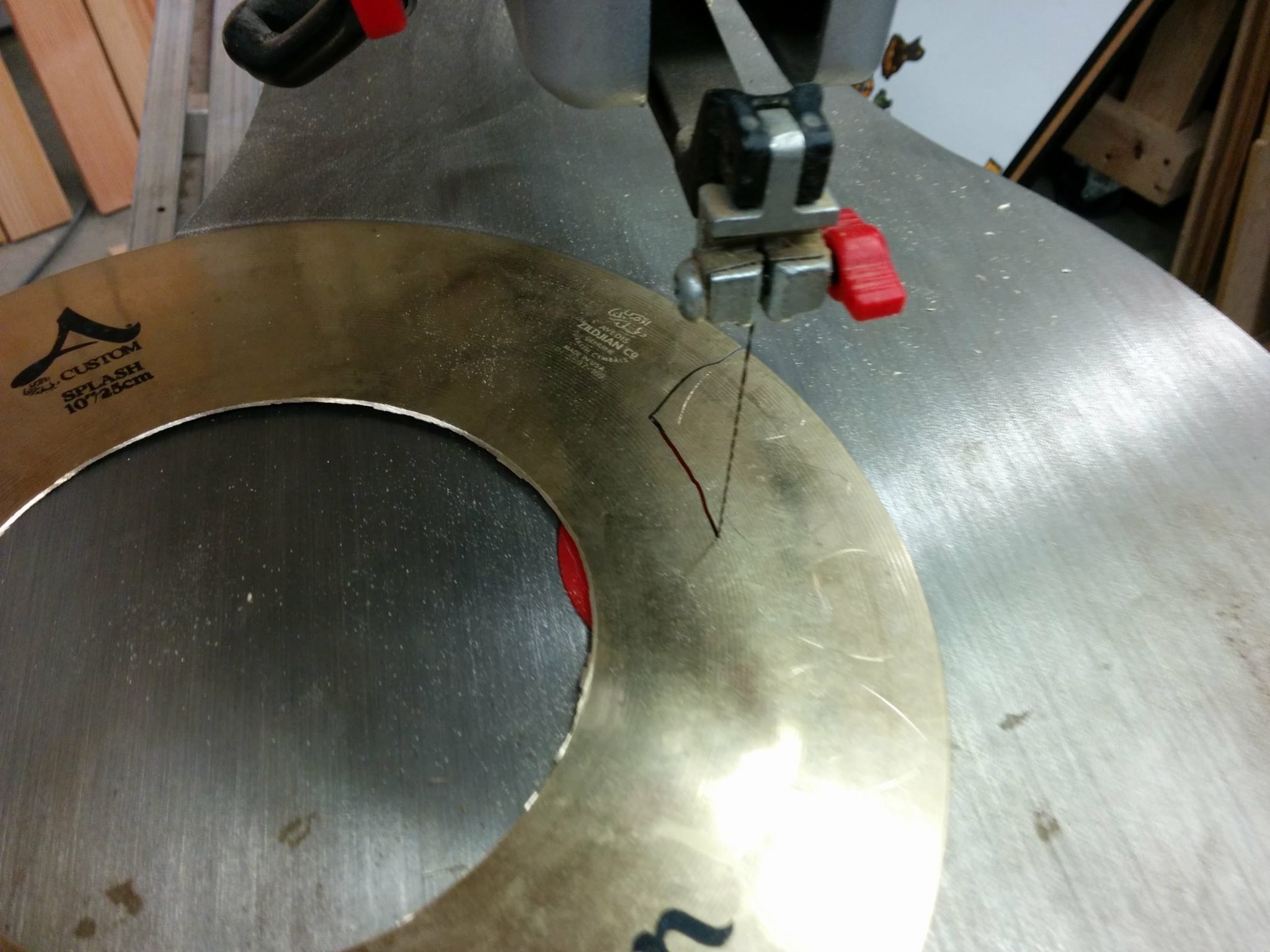
First, I decided to trace an outline of the pick using an awl.  This works better since the red Sharpie kept getting rubbed off the cymbal as I was sanding it down.  You need to be careful when doing this but it seems to work okay.

The pick outline traced with an awl.


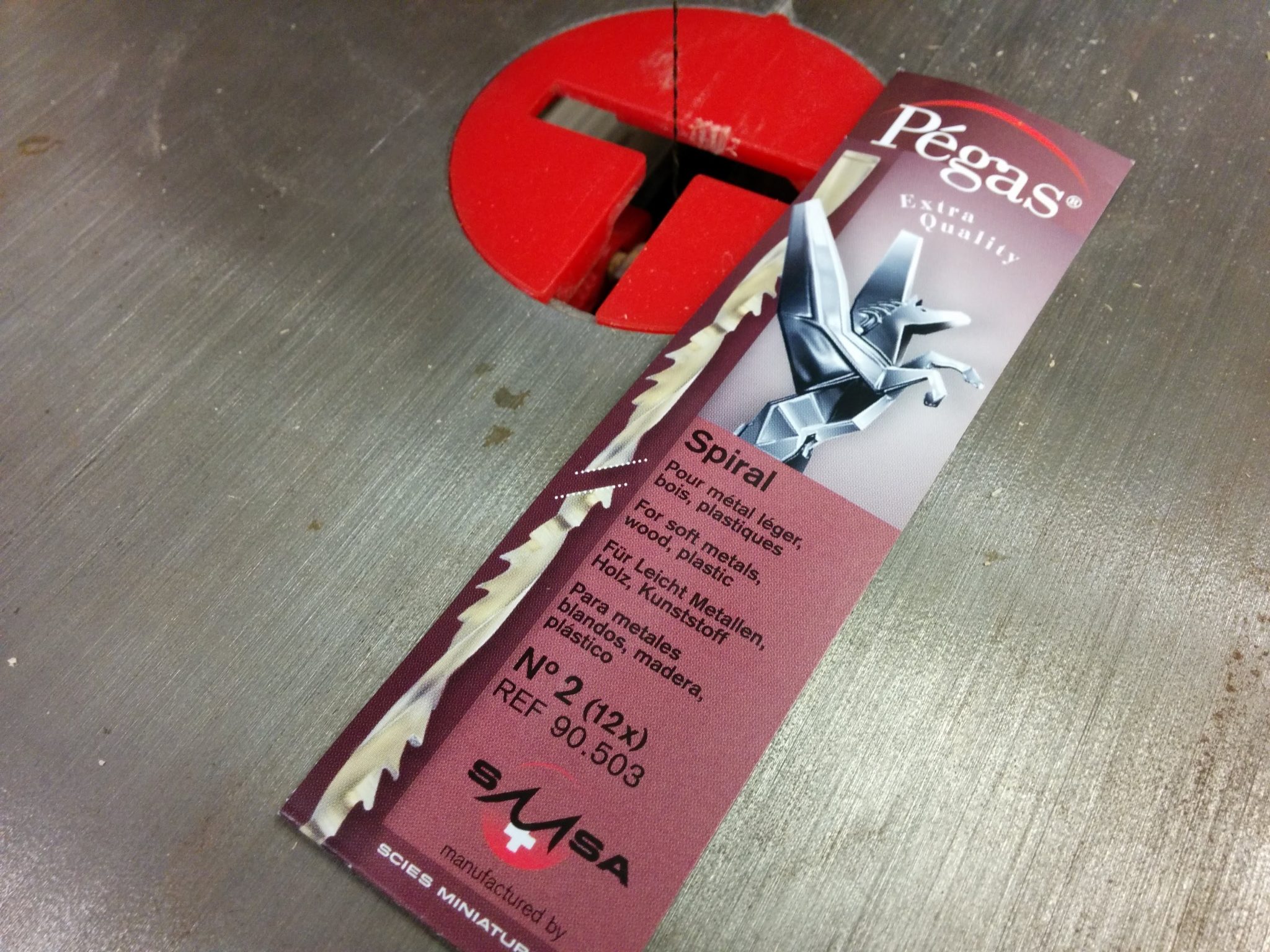
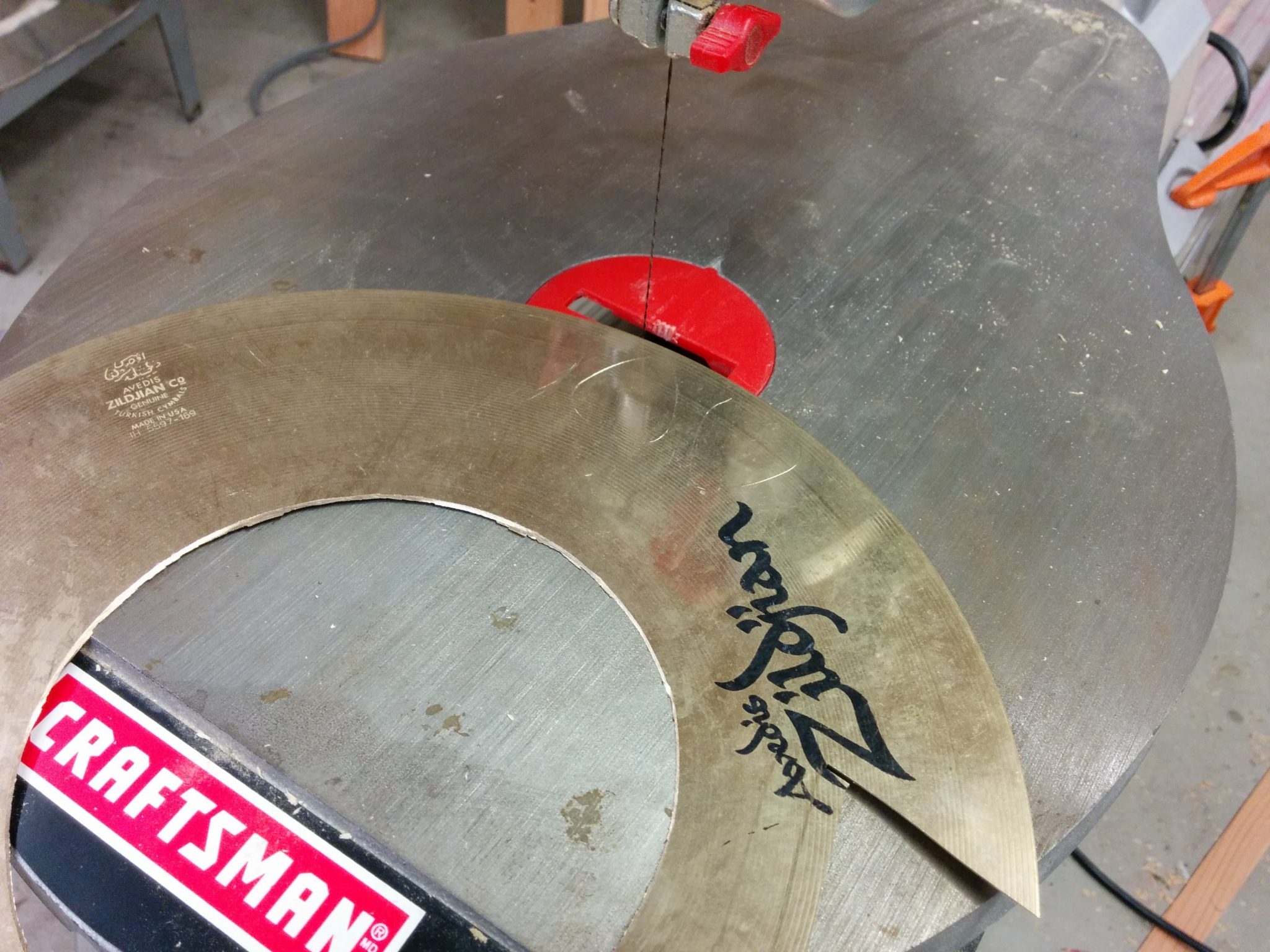
Second, I decided to use a scroll saw with a metal cutting blade.  This will allow me to cut closer to the line which will result in less waste and less material that needs to be removed with sanding.  I bought three different types of blades.  The one I started with is the Pegas 90.503 45-tooth blade.

Pegas spiral No 2 blades. (Ref 90.503)


Again, I’m using the off-cut from a Zildjian A Custom 10″ Splash.

Getting ready to start cutting.


Cutting with the scroll saw was much easier.  The important thing to remember was to let the saw do the work.  I forgot this and got a little eager.  I ended up breaking a blade on this cut as a result.

Cutting out a the material.


Now that I had a smaller piece to work with, I was able to more precisely cut out each pick.  Once again, I ended up breaking a blade.  At that point I switched to a Pegas No. 4 90.505 38-tooth blade which was a little more aggressive.

A more manageable piece to work with.


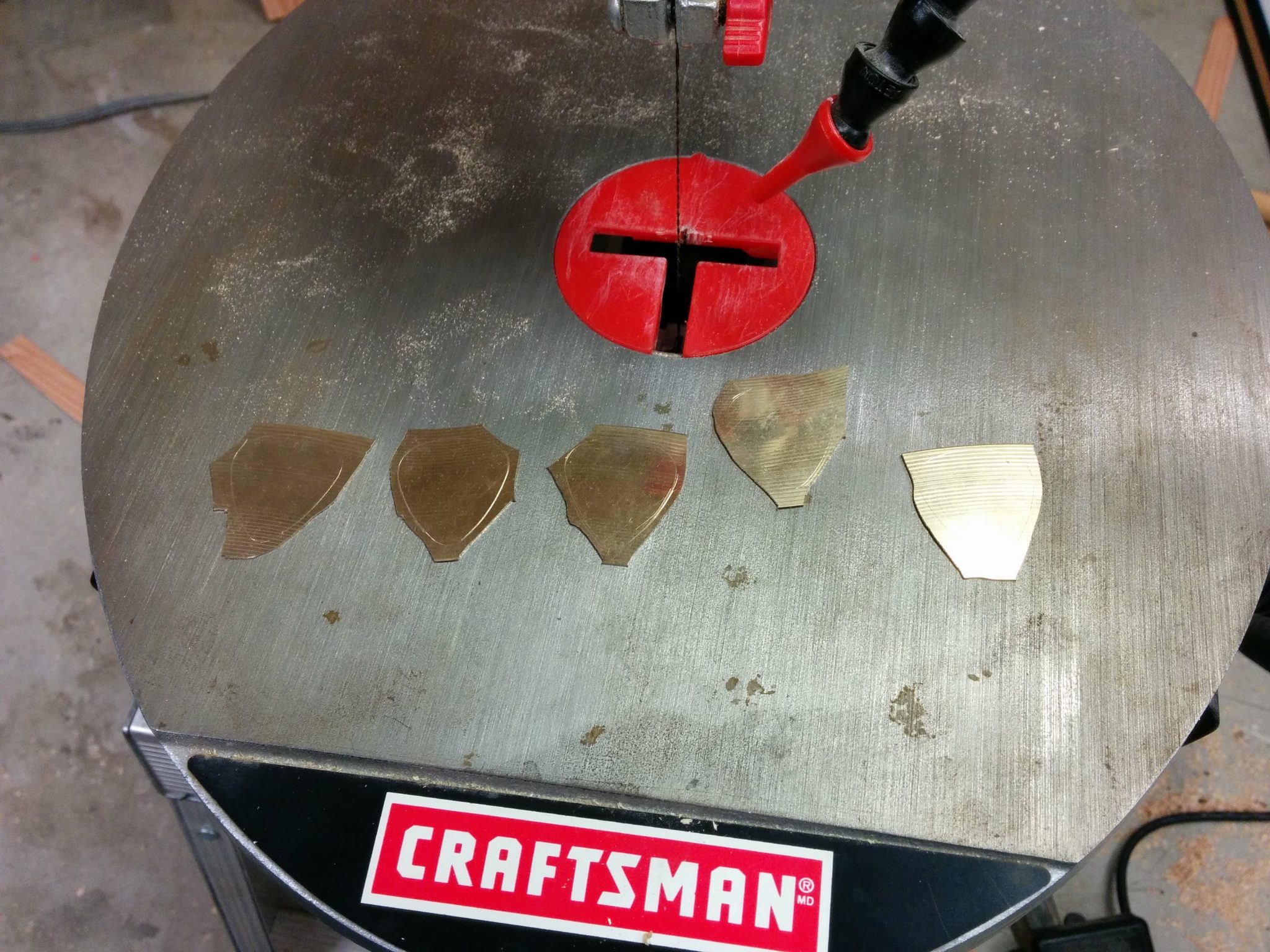
The scroll saw was able to get the pieces closer to the final shape, which allowed me to save some of the small scraps in between each pick.  I’ll use these for something else, such as melting them down and casting them.

After rough-cutting on the scroll saw.


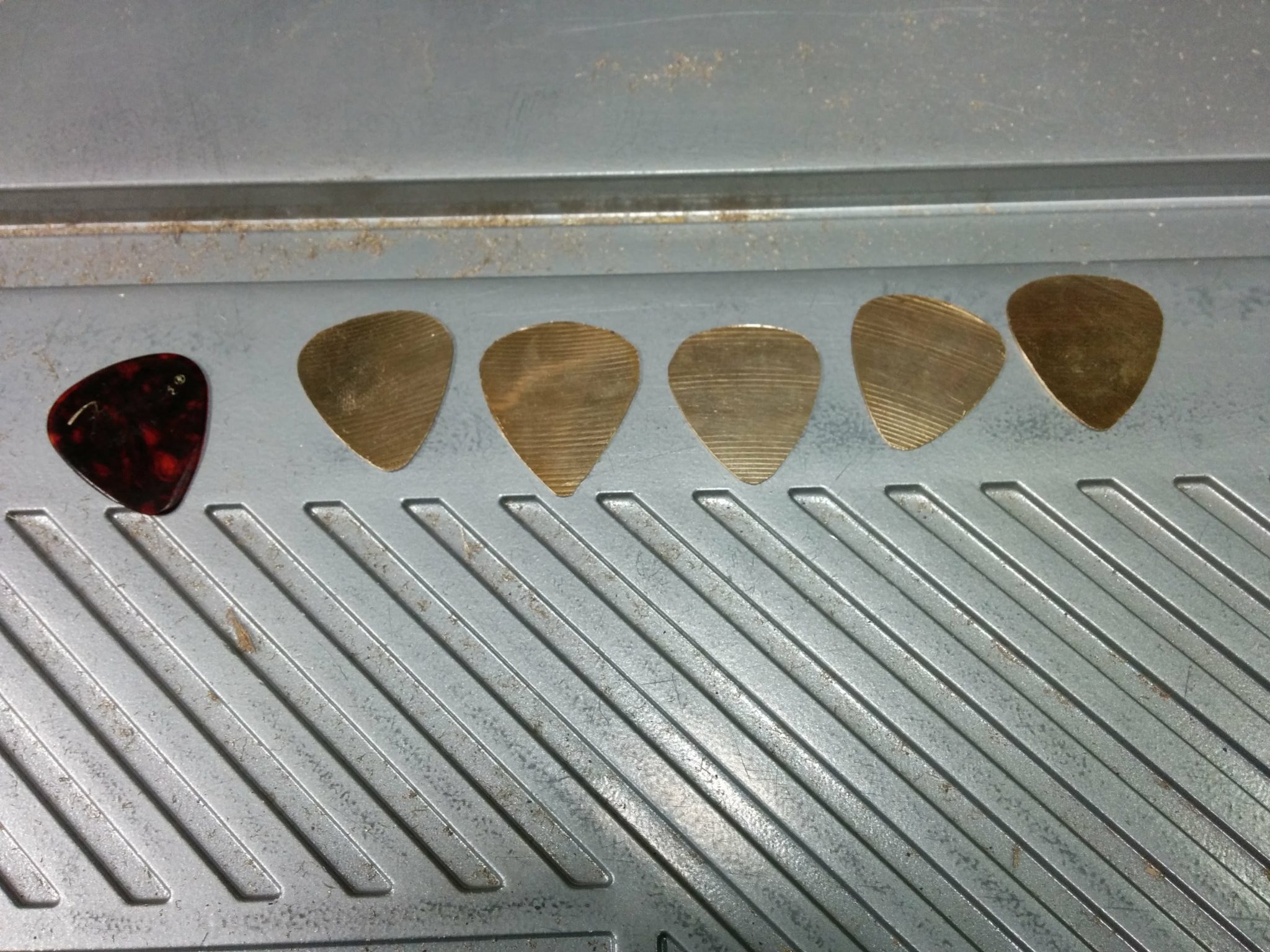
I found that it is actually easier to make several of these at a time simply because of the sanding process.  The problem with the sanding is that the metal heats up fairly quickly.  I got into a routine where I would sand one down and once it started to get warm, I would set it down to cool and grab the next one in line.  I would sand that one down a bit then switch to the next when it got warm, and so on.  I would just keep looping through the line until I got them pretty close to the final size.

After getting them close to the final size.


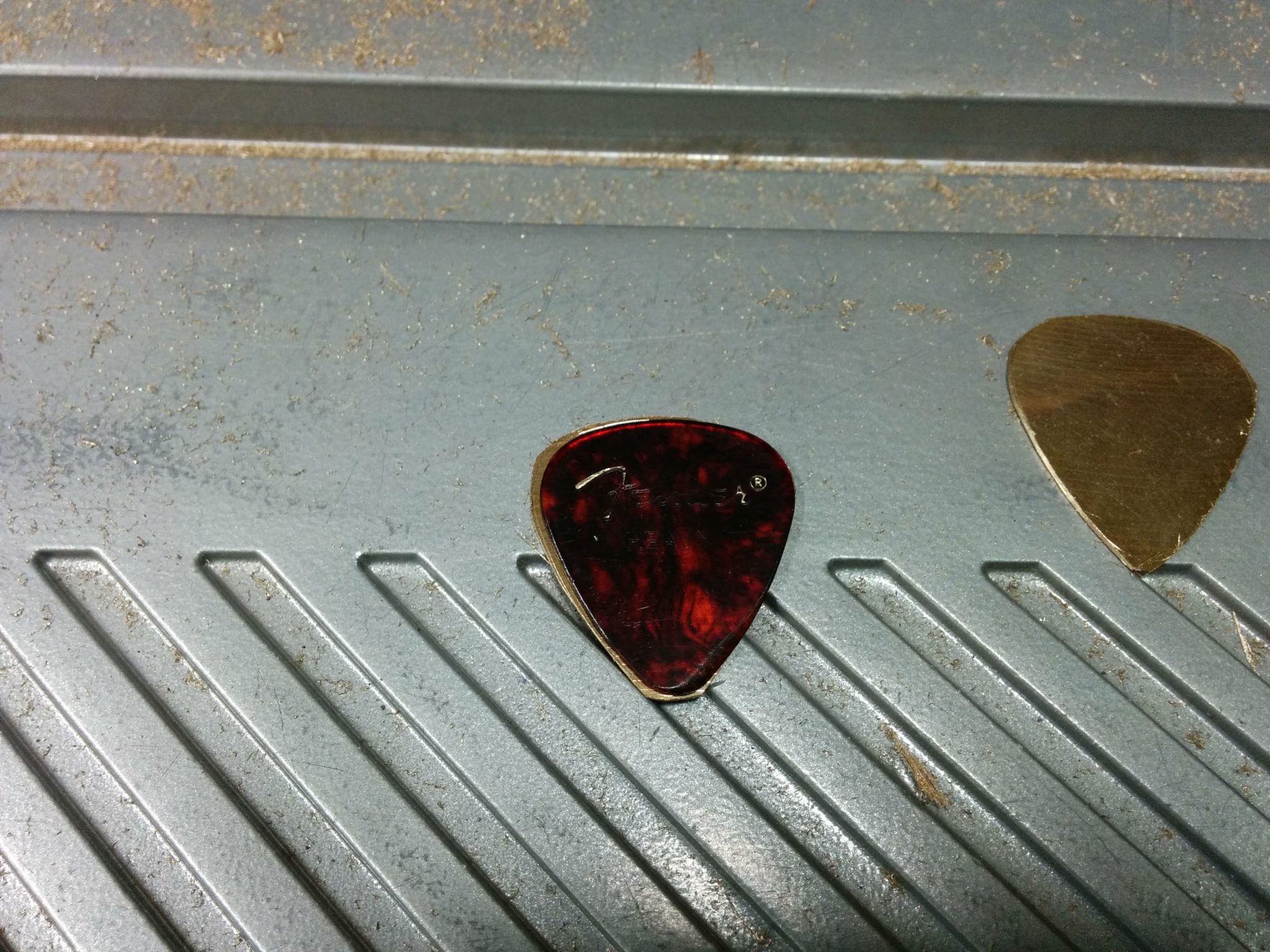
After getting them close to the finished size, I used the original pick as a template by holding it in front of the sanded shape and see where I needed to take it down some more.

Lining up the original pick as a template.


After using the pick as a template, they were really close to the final shape (the second pick in this photo had yet to go through this step).

After using the original pick as a template.


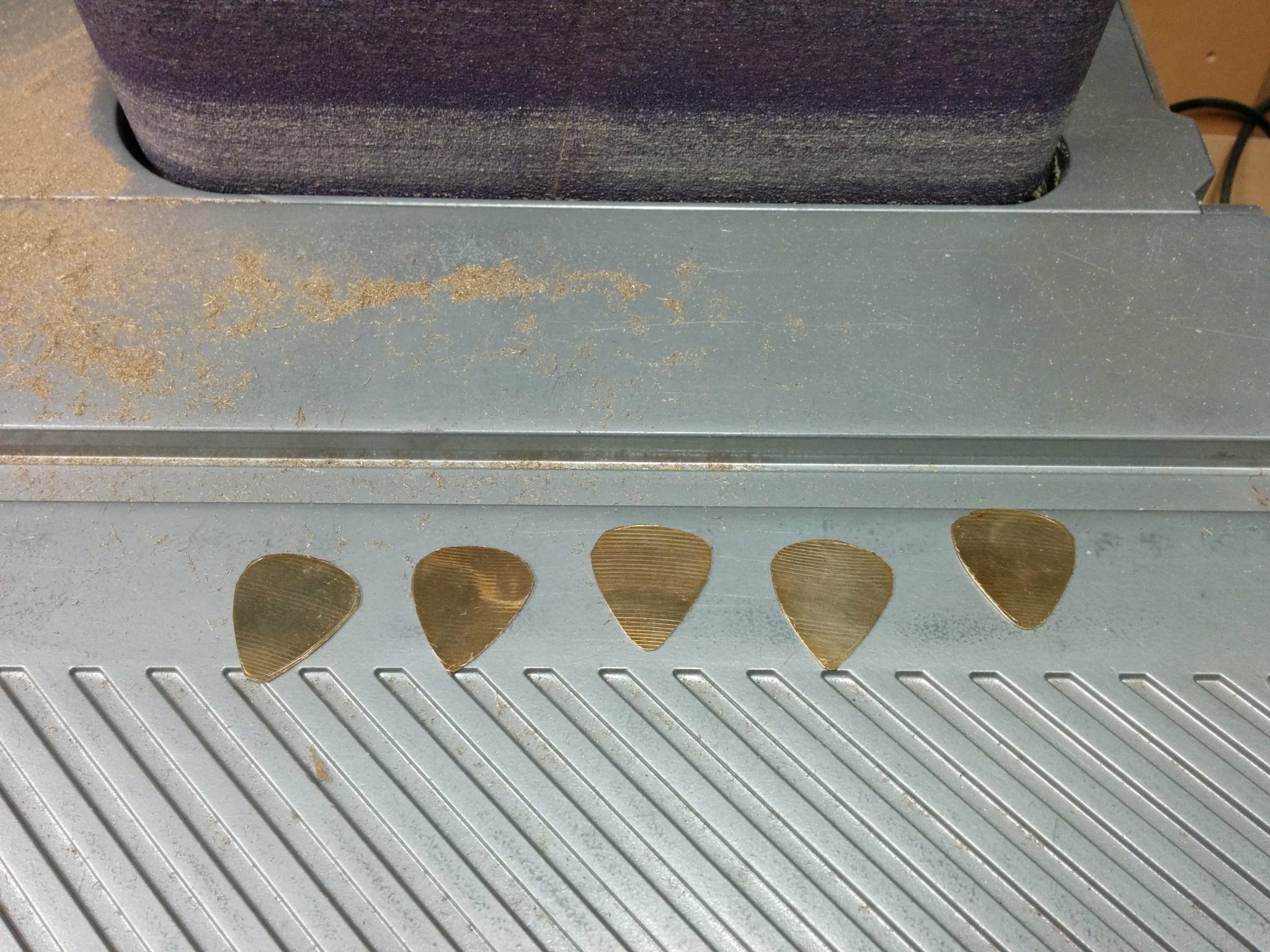
Then I took them to my sanding block and manually sanded them down so they would have smooth edges.

Ready to be polished.


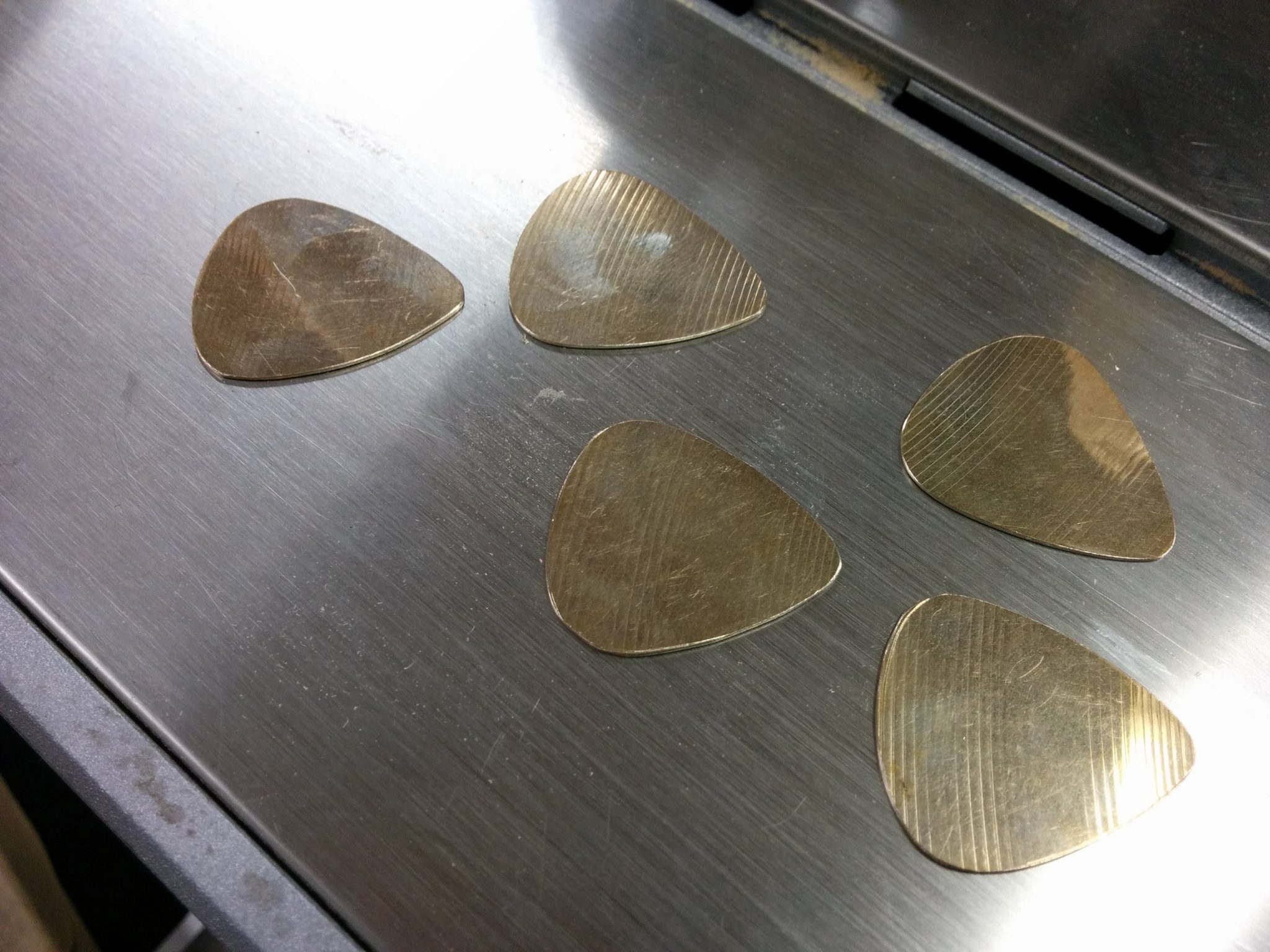
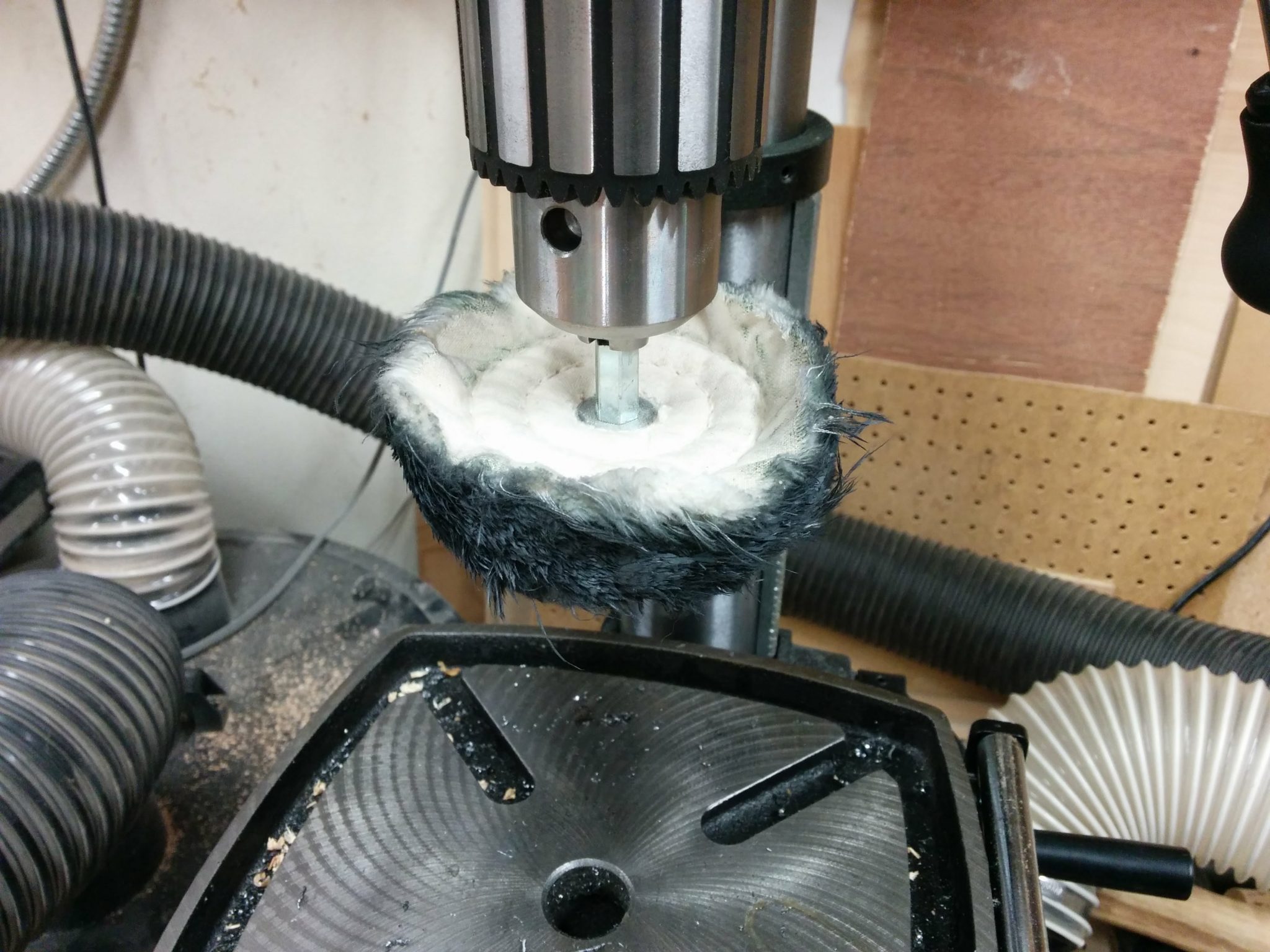
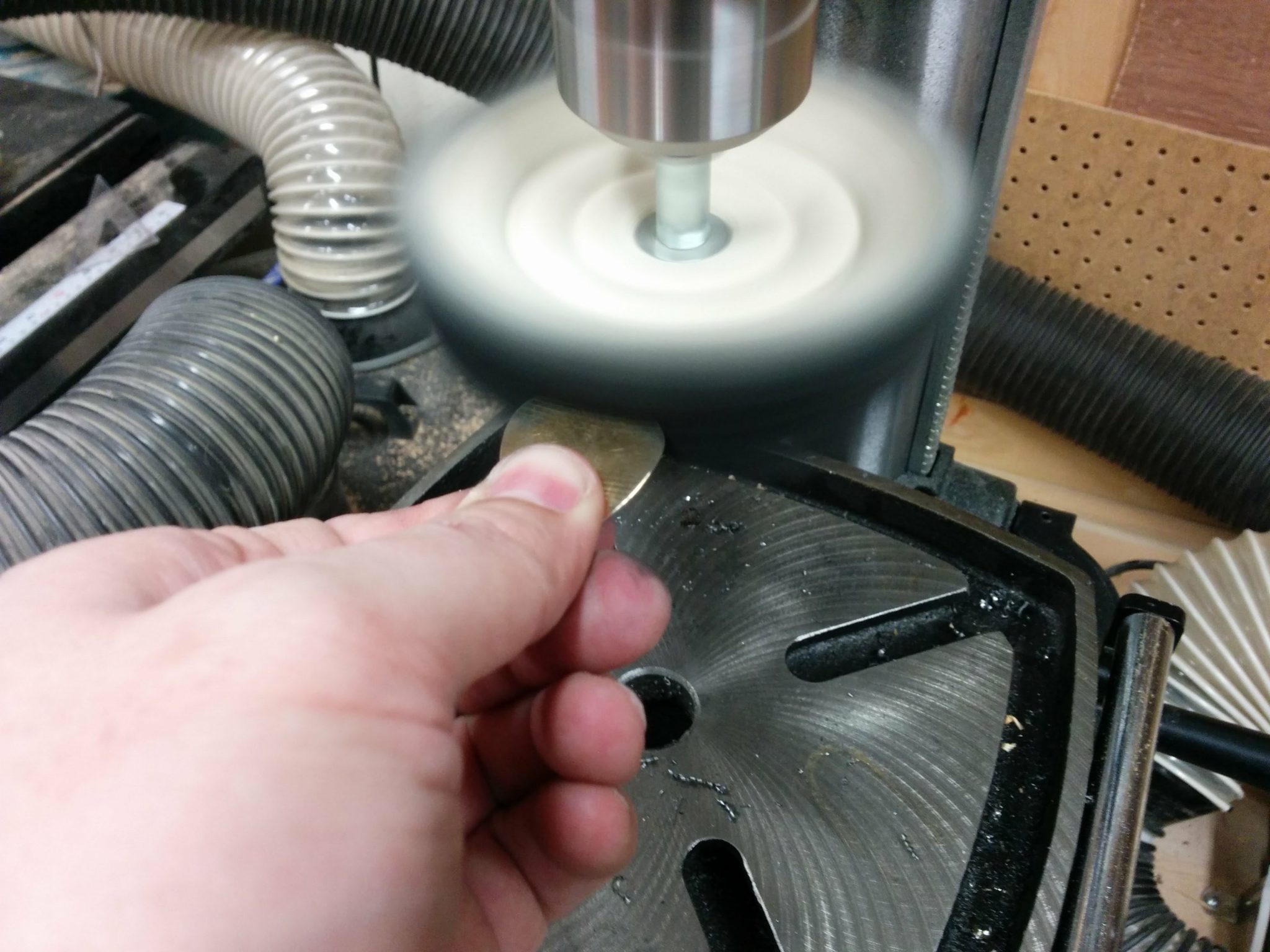
After that, I took them to the buffing wheel on my drill press.

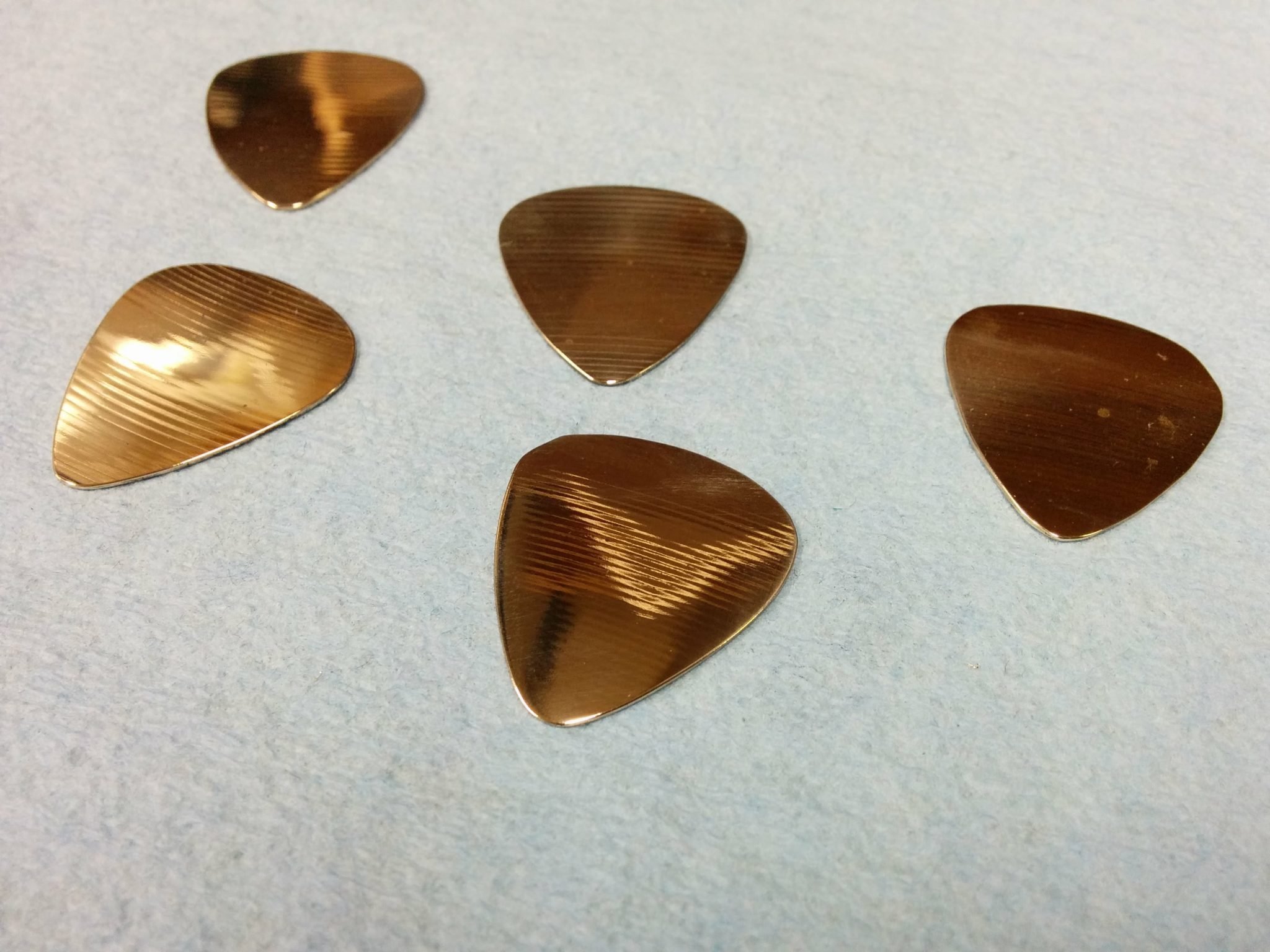
5 more picks almost done being polished.


And that’s it.  I think I’ve got this process down.  I’ve got a few picks being tested by other guitarists so I’ll compile the feedback and see how people like them.

Making a guitar pick from a cracked cymbal

Update: I created a follow-up post with a few things I did differently.  You can find that here.

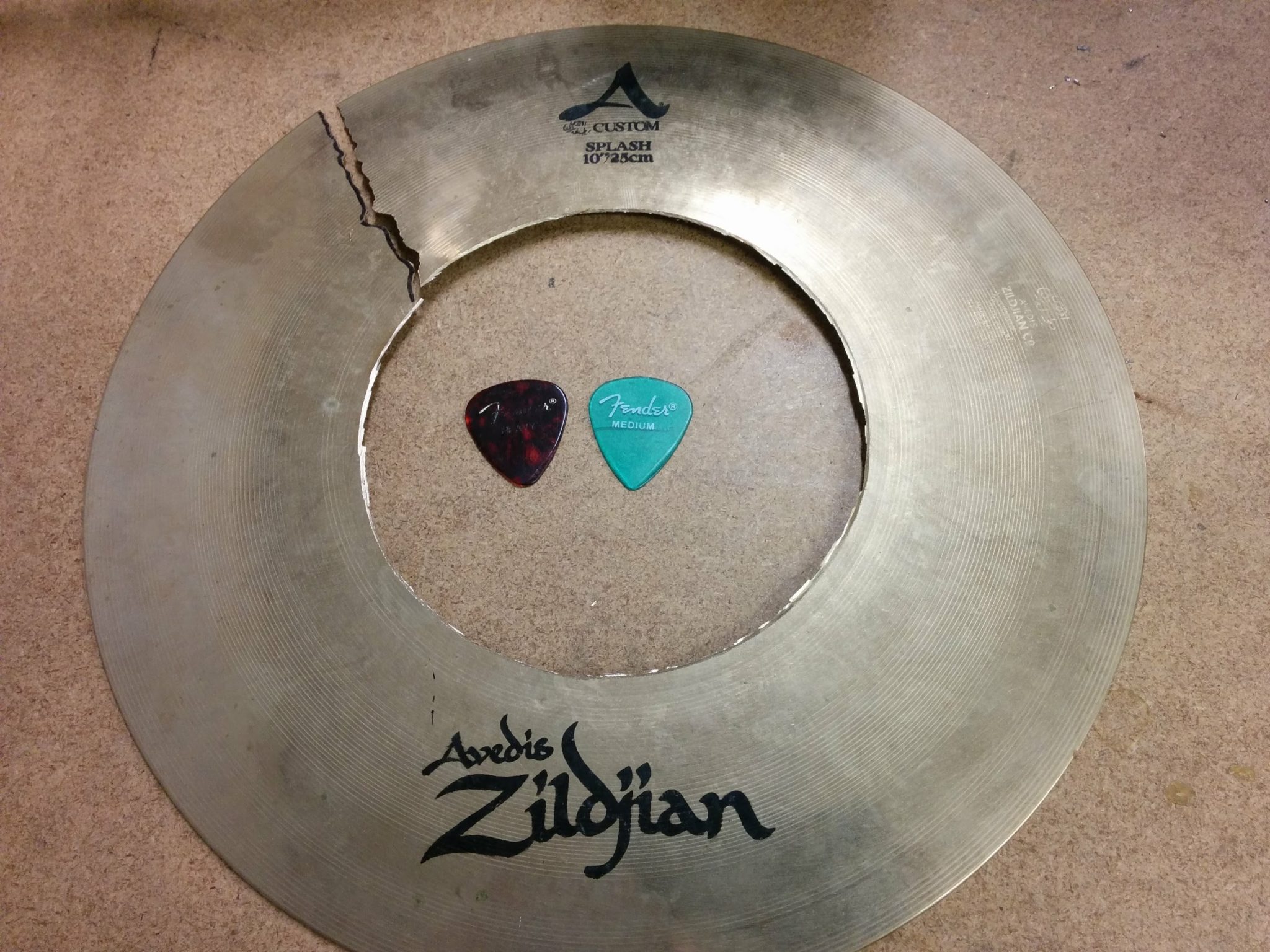
I started with the remnant from a cut-down cymbal.  I chose a cut-off from a Zildjian A Custom 10″ Splash because of how thin it was and how it didn’t have much of a bow to it.

Zildjian A Custom 10" Splash.
Zildjian A Custom 10″ Splash.


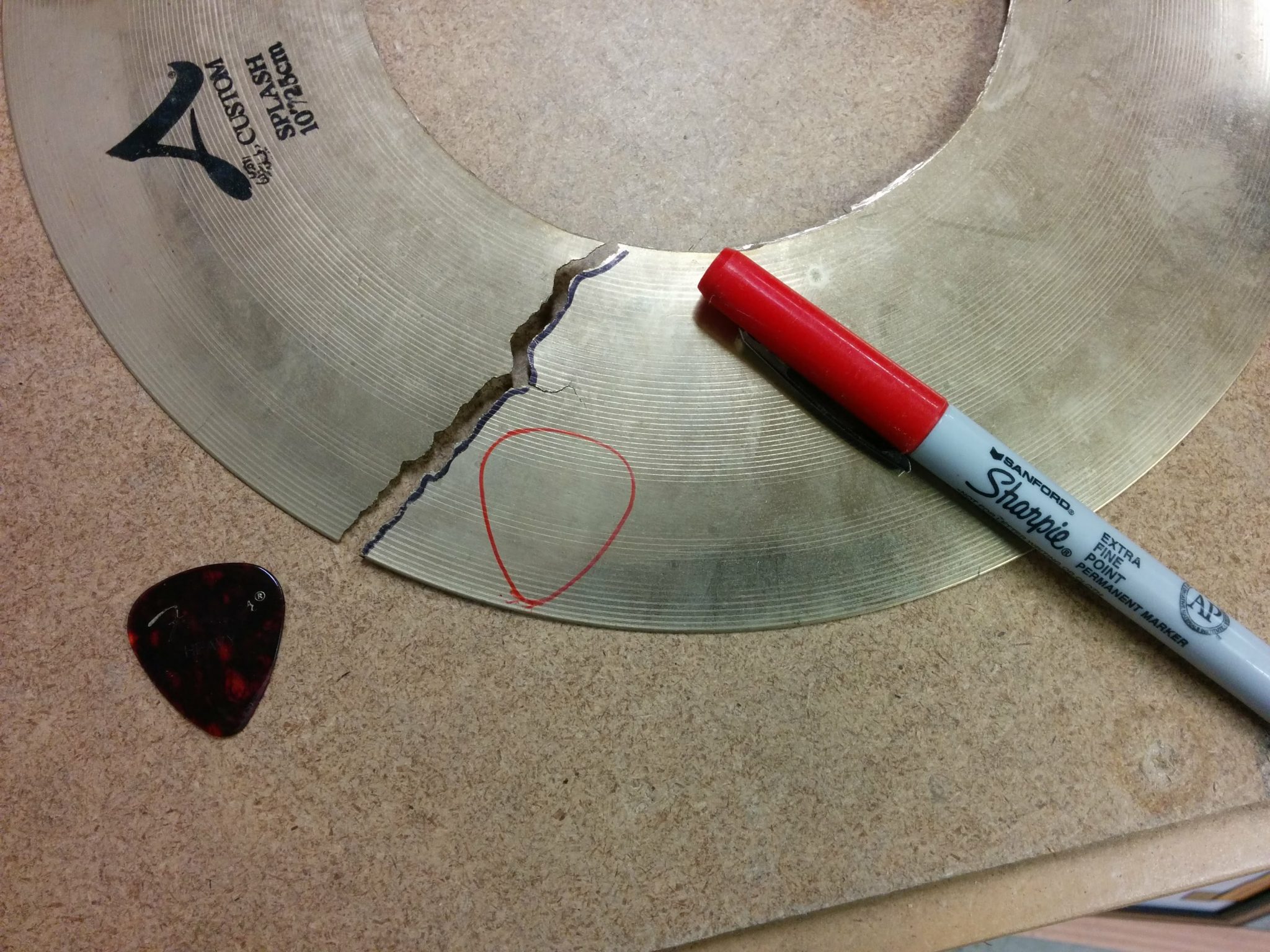
Using a red extra fine point Sharpie, I traced the outline of one of my existing guitar picks.

Outline of the pick traced on the cymbal.


This worked out okay but the red ink started to come off pretty quickly.  I think for future picks I will carefully scratch the outline with an awl.

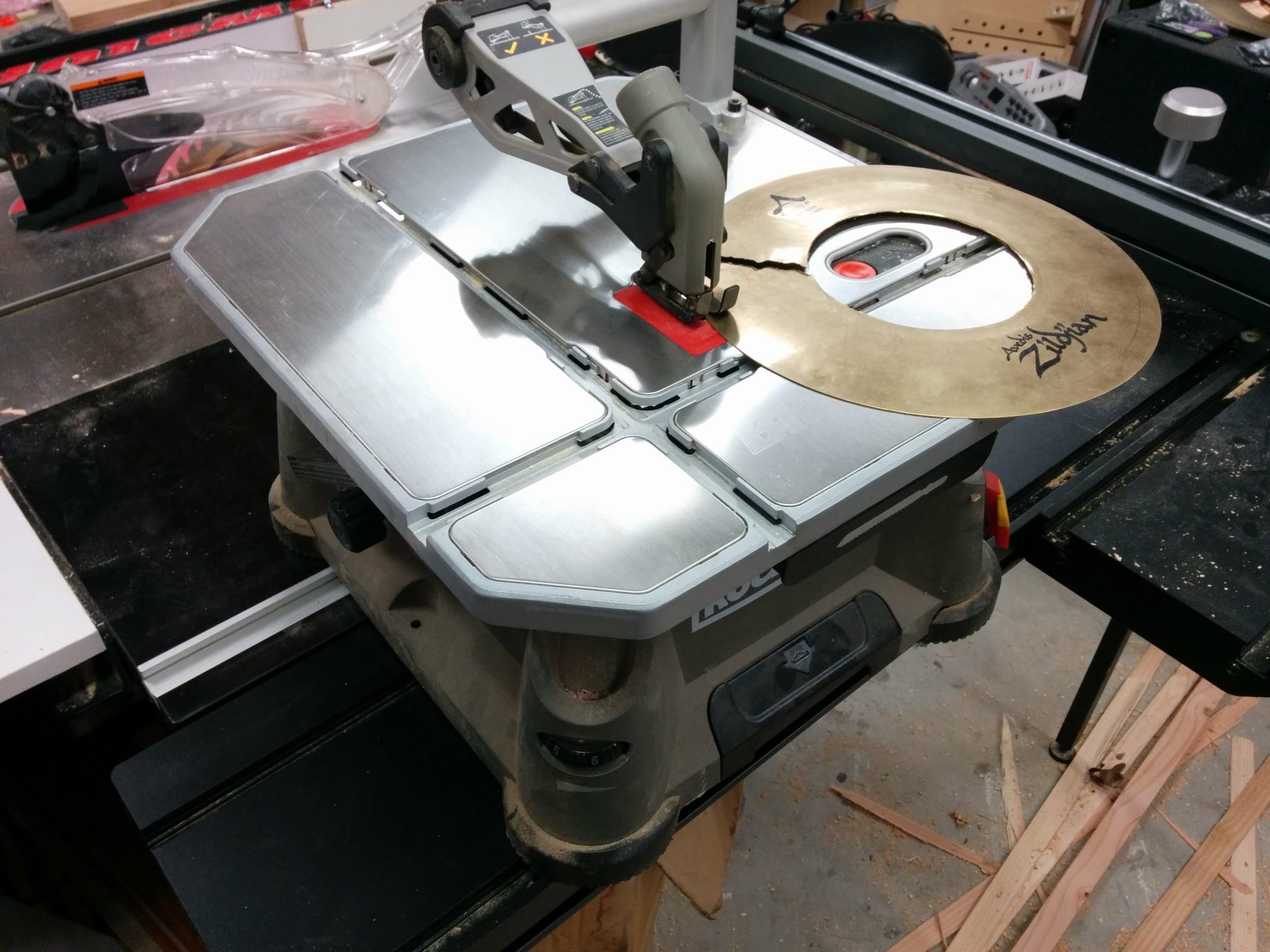
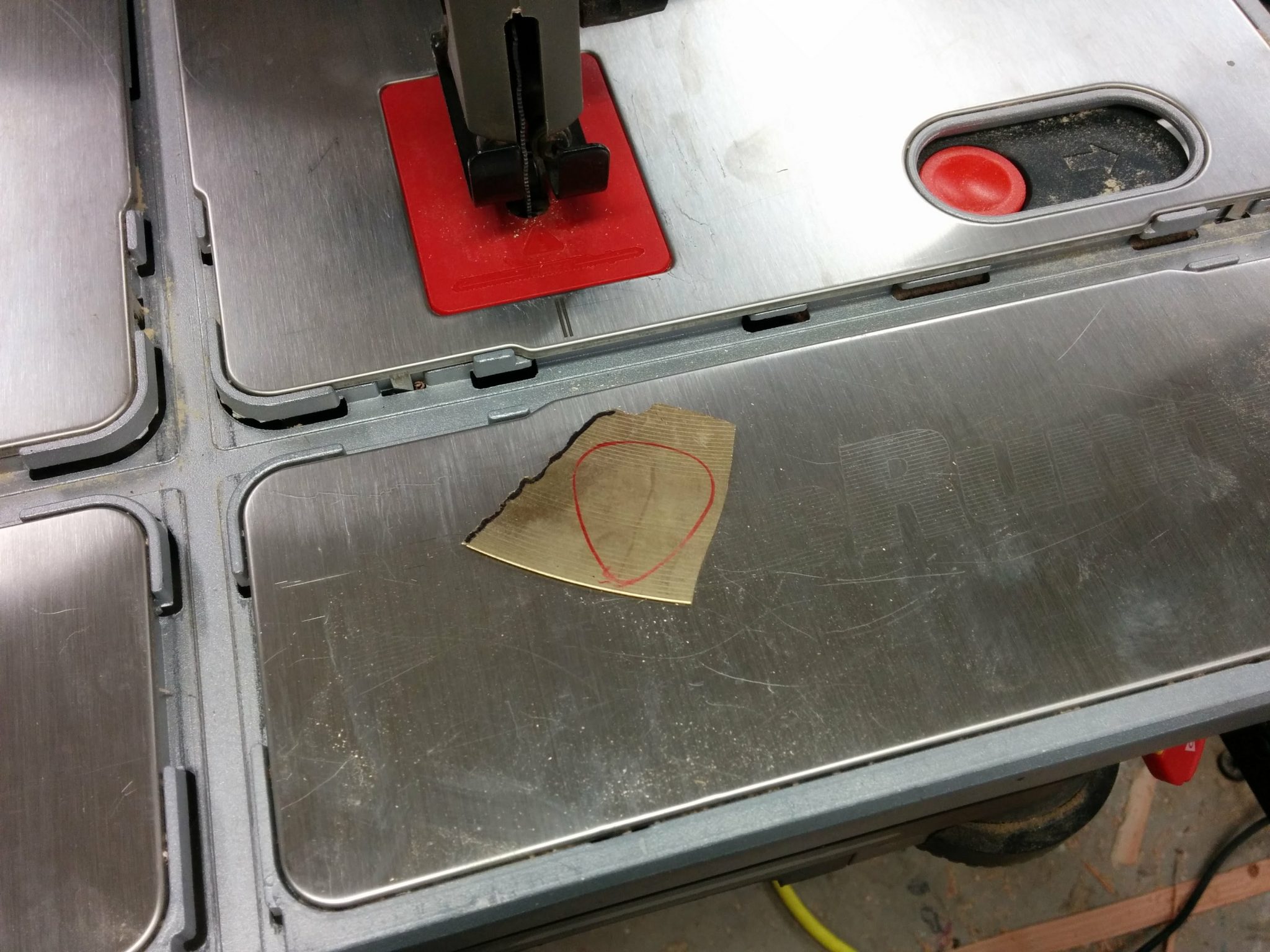
Once the outline was traced, I took the cymbal to my Rockwell BladeRunner equipped with a metal cutting blade.

Rockwell BladeRunner


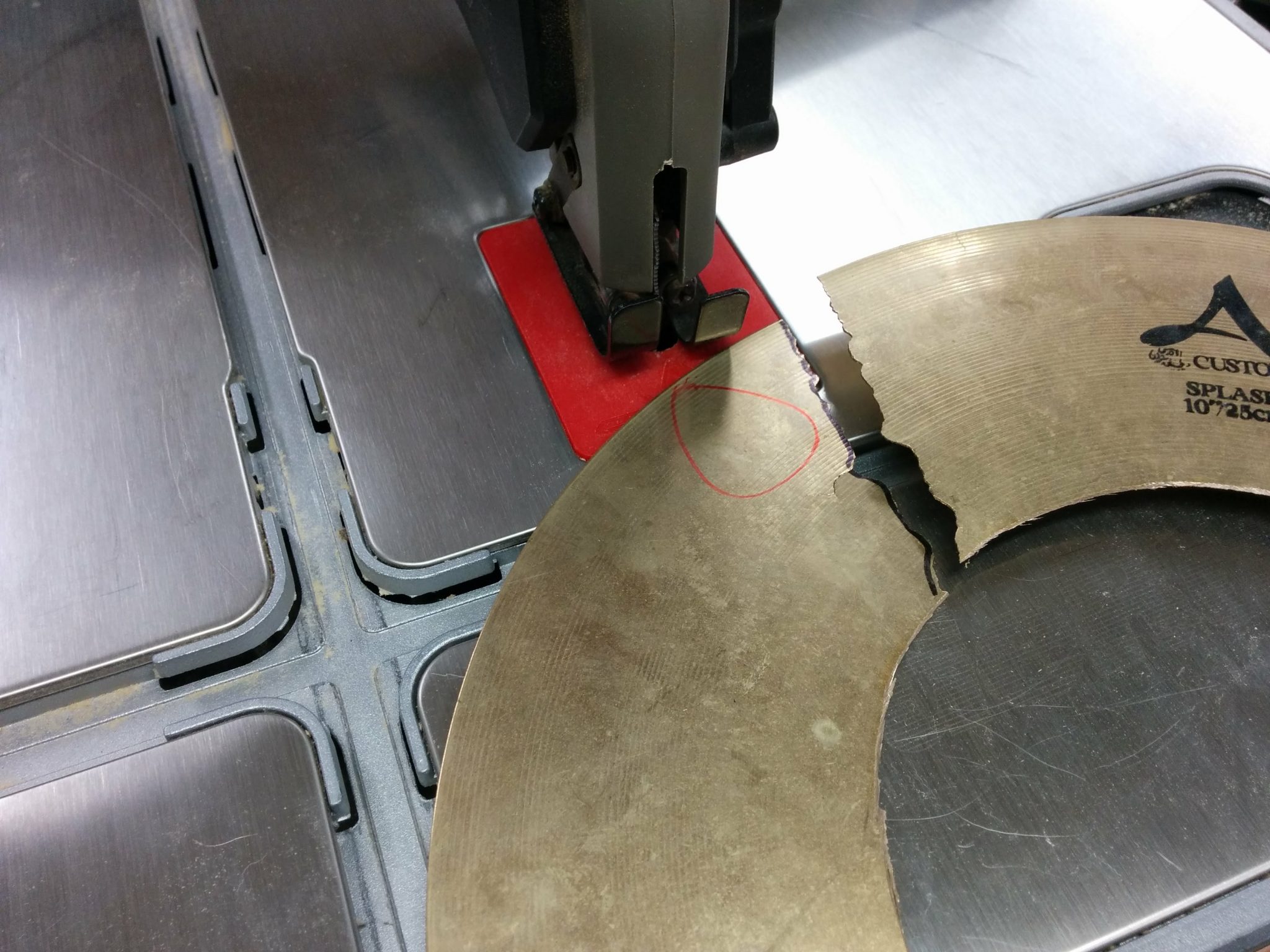
I didn’t need to cut it exactly on the lines.  In fact, it wouldn’t be possible with this type of tool.

Ready to rough cut the pick out of the cymbal.


All I was going for was a smaller section that I can take to my sanding tools for the final shaping.  When cutting something like a small cymbal remnant, it’s difficult to safely get it down to it’s final size using larger tools.  This was definitely an exercise in finding the right tool for the job, as you’ll see…

The rough cut.
The rough cut.


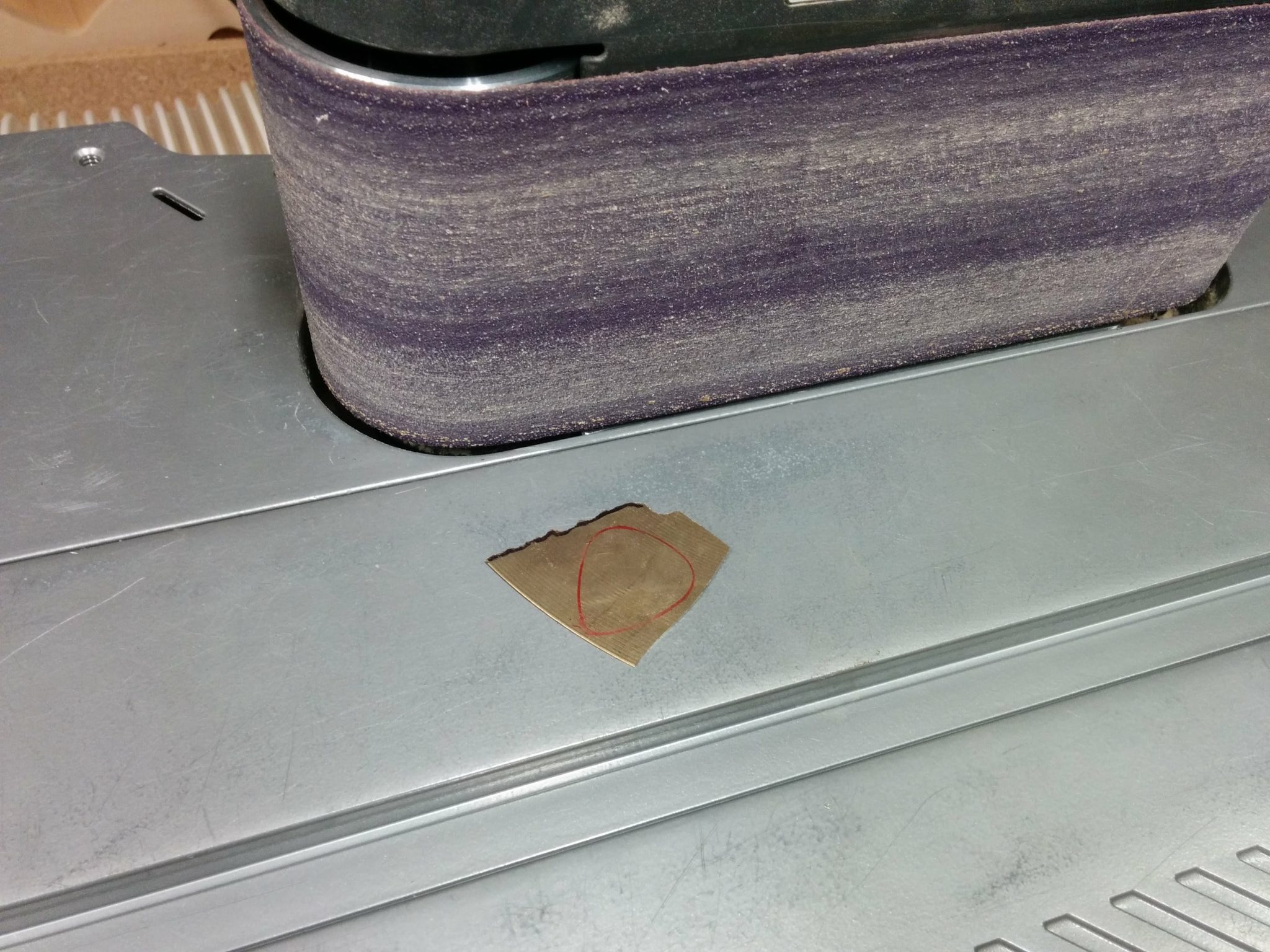
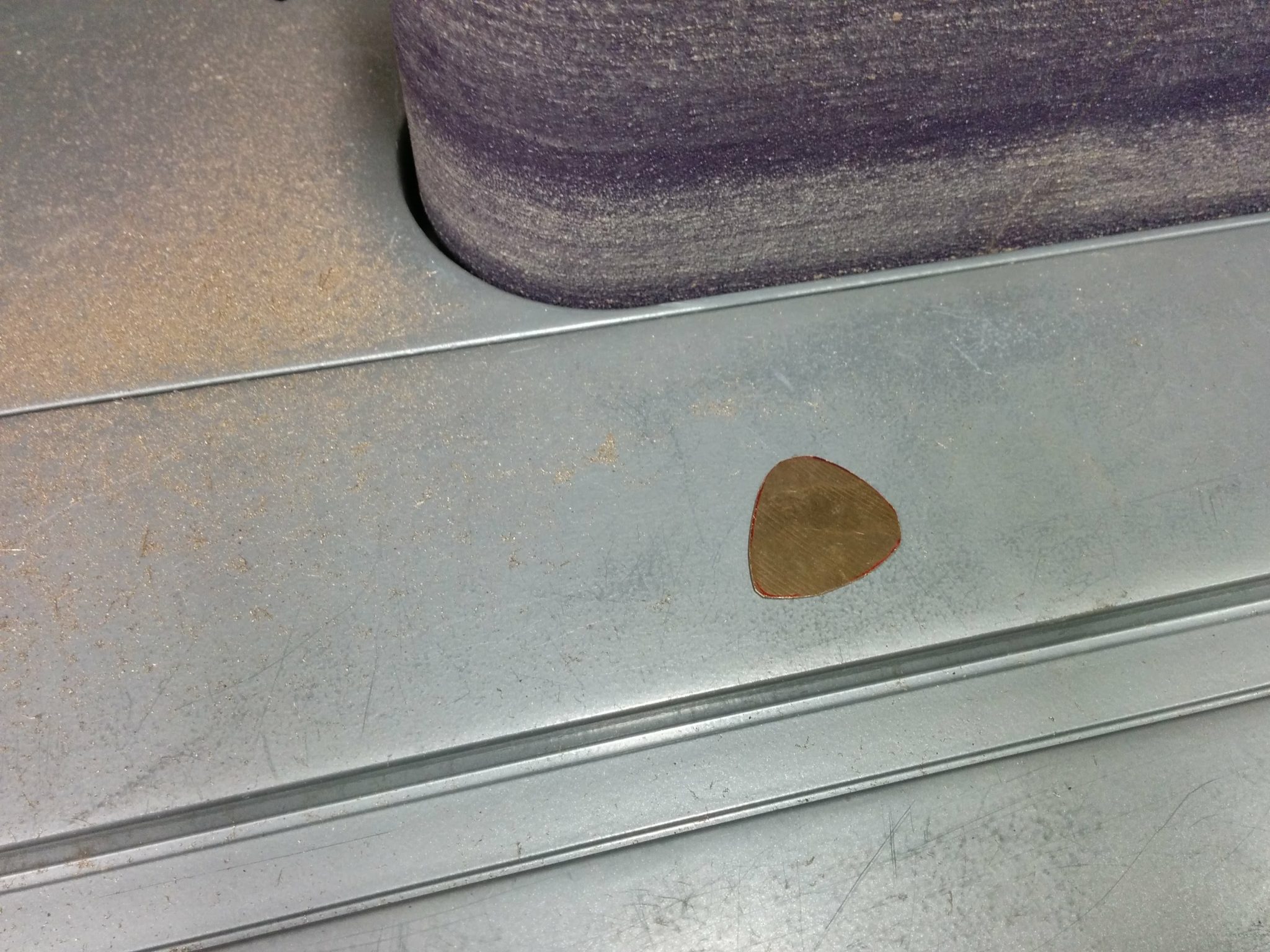
After getting it cut to a manageable size, I took it to my Ridgid oscillating belt sander.  My plan was to use this to get it to it’s final shape.

Taking the rough cut to my Ridgid Oscillating Belt Sander.


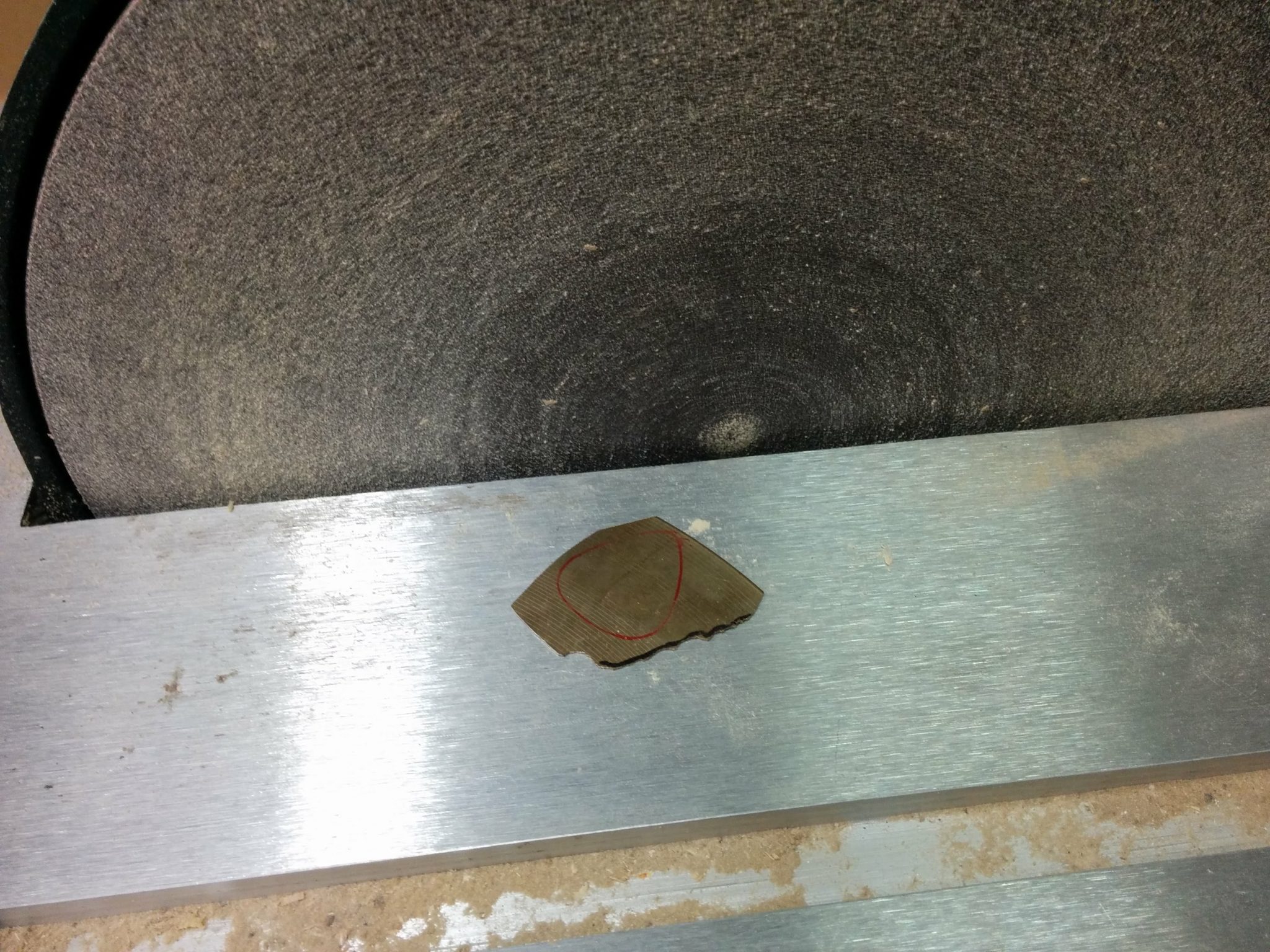
This proved to be too slow so I tried taking it to my disc sander instead.

Trying the disc sander instead.


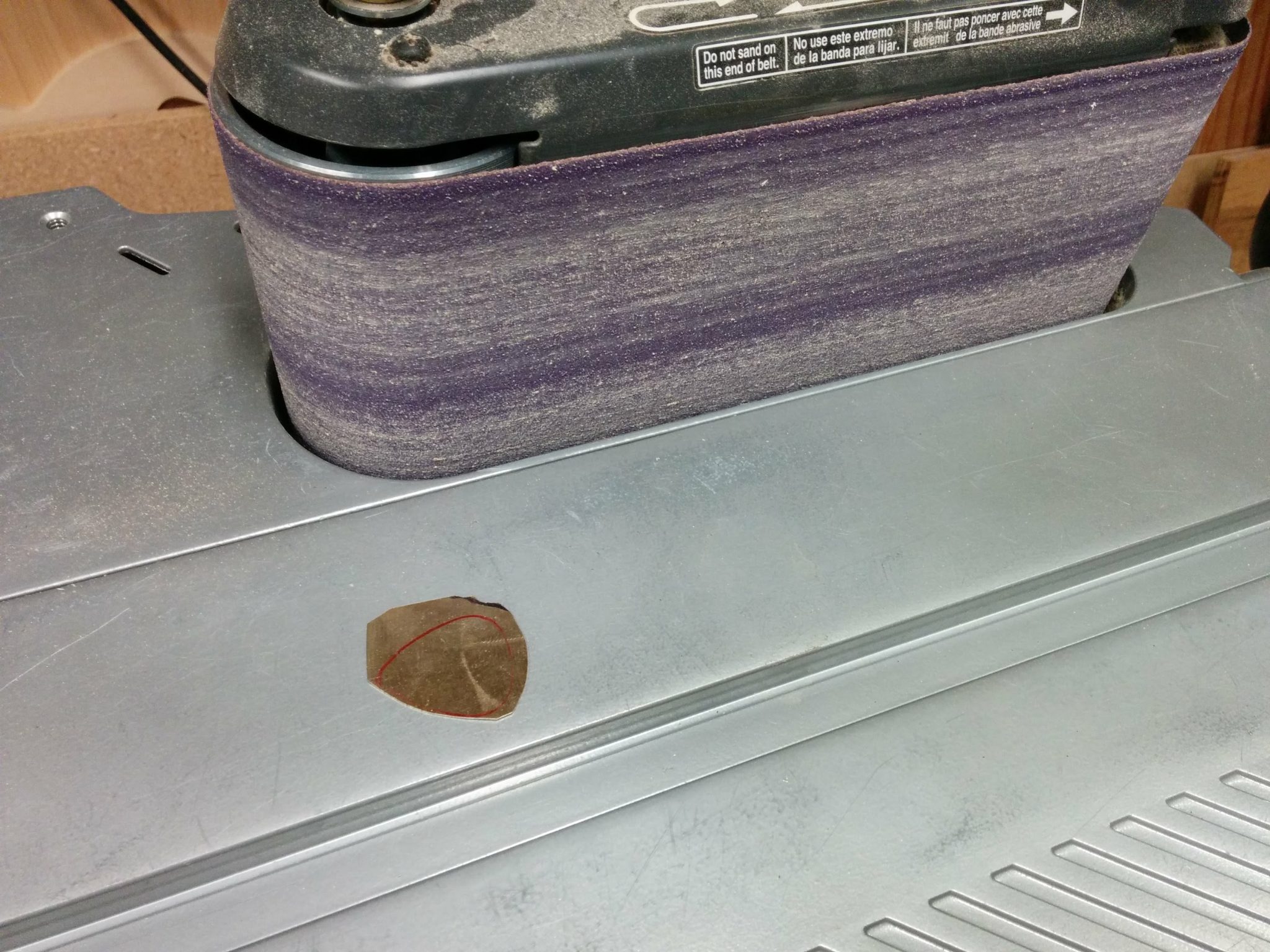
The disc sander was too aggressive and not quite precise enough so I took it back to the oscillating belt sander.

Back at the belt sander.


I found the trick to getting it just right.  I would hold the pick in my hands a few inches off the table, rather than right on the table top.  This gave me more control but I needed to stop every few seconds to let the pick cool off since the friction would make it get extremely hot pretty quickly.

Rough shaping is done.


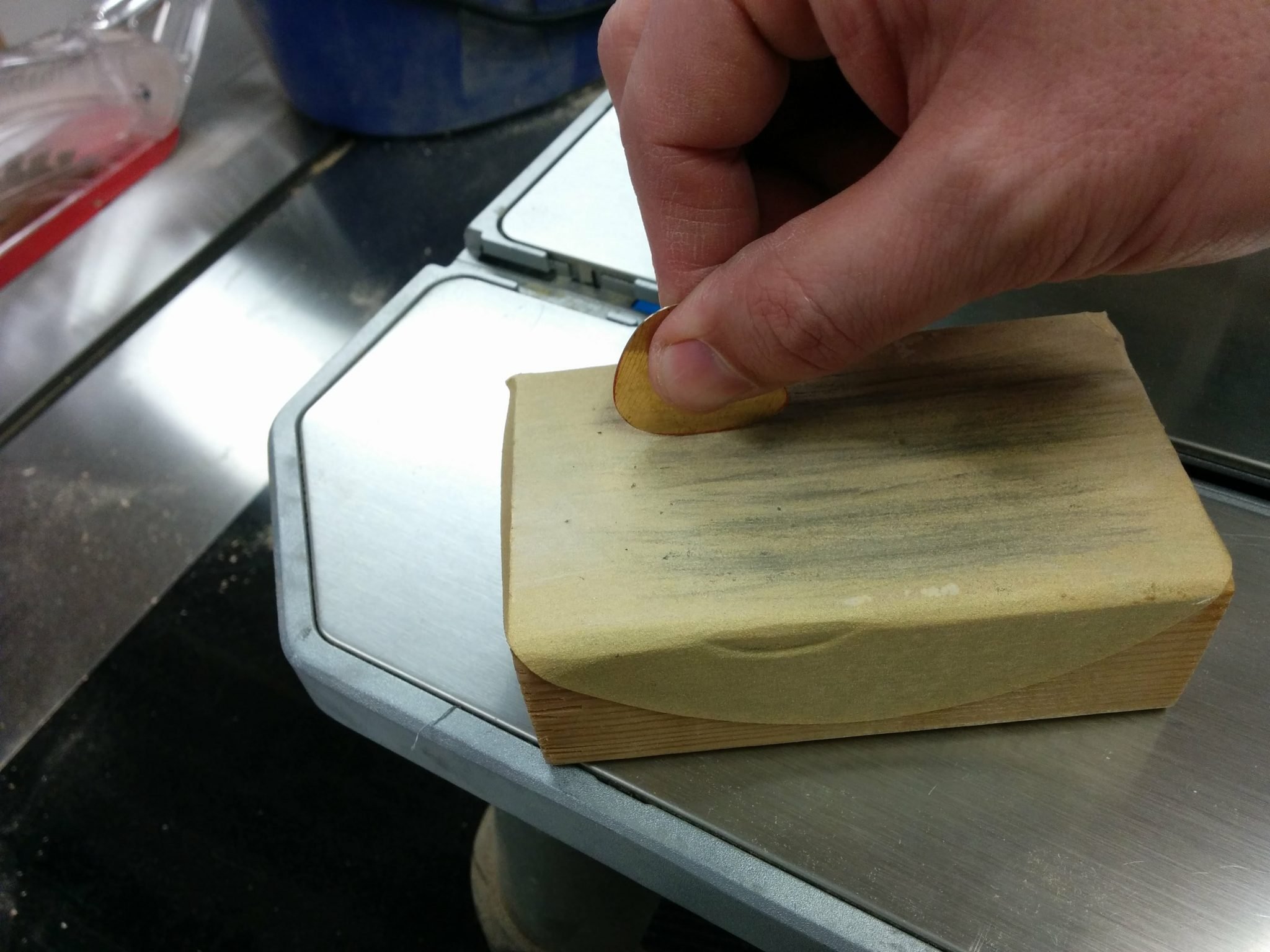
This got the pick to be pretty much the right shape, but the edges weren’t all that smooth.  I decided to do the final shaping by hand so I would have more control.  For this I used a sanding block.  I believe this block had 220 grit on it but I’m not entirely sure.

Final shaping is done on a sanding block.


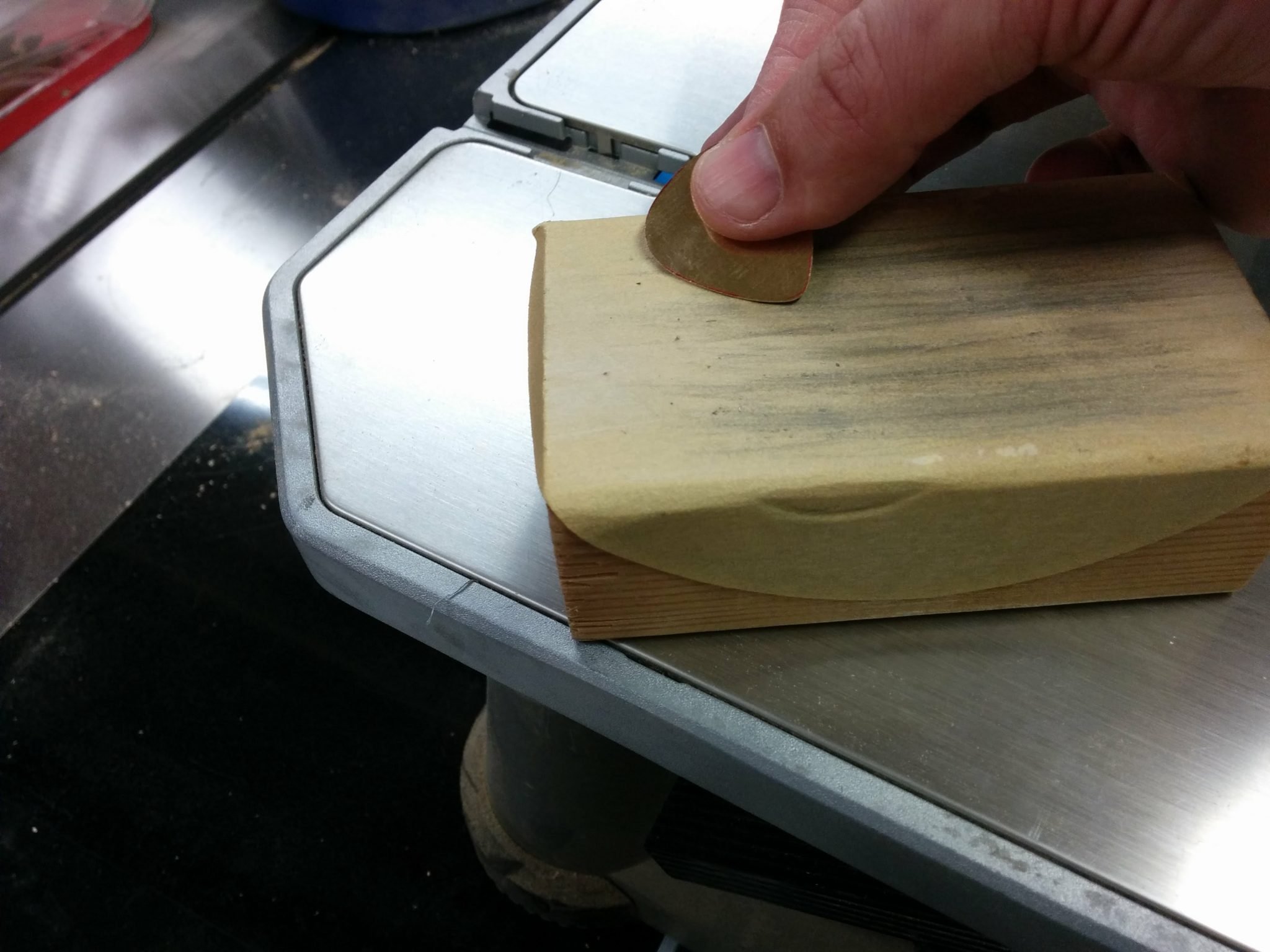
After getting the edges nice and smooth, they were left with a slight burr that was fairly jagged.  For this I just angled the pick so I could break down those burrs and get a smooth edge.

Knocking back the burr.


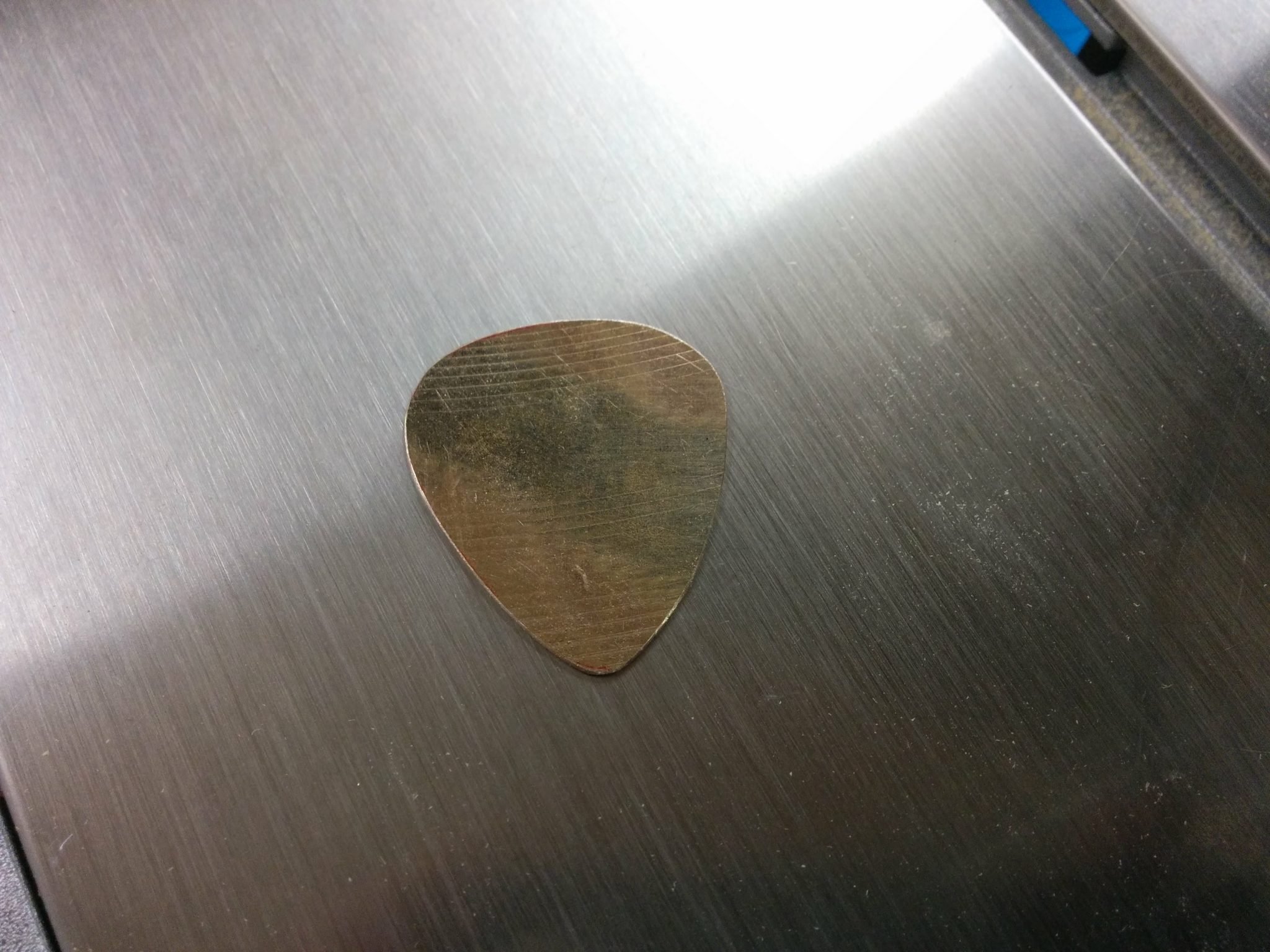
The final result was nice and smooth.  Now it just needed to be polished.

Final shaping is done.


I equipped my drill press with a buffing wheel.

Buffing wheel on the drill press.


I started with the edges.  I did this in case I found any jagged spots that I missed.  If I did, I would take it back to the sanding block before finishing the pick on the buffing wheel.  After the edges were polished, I did the same thing to the front and back faces.

Polishing the edge.
Polishing the edge.


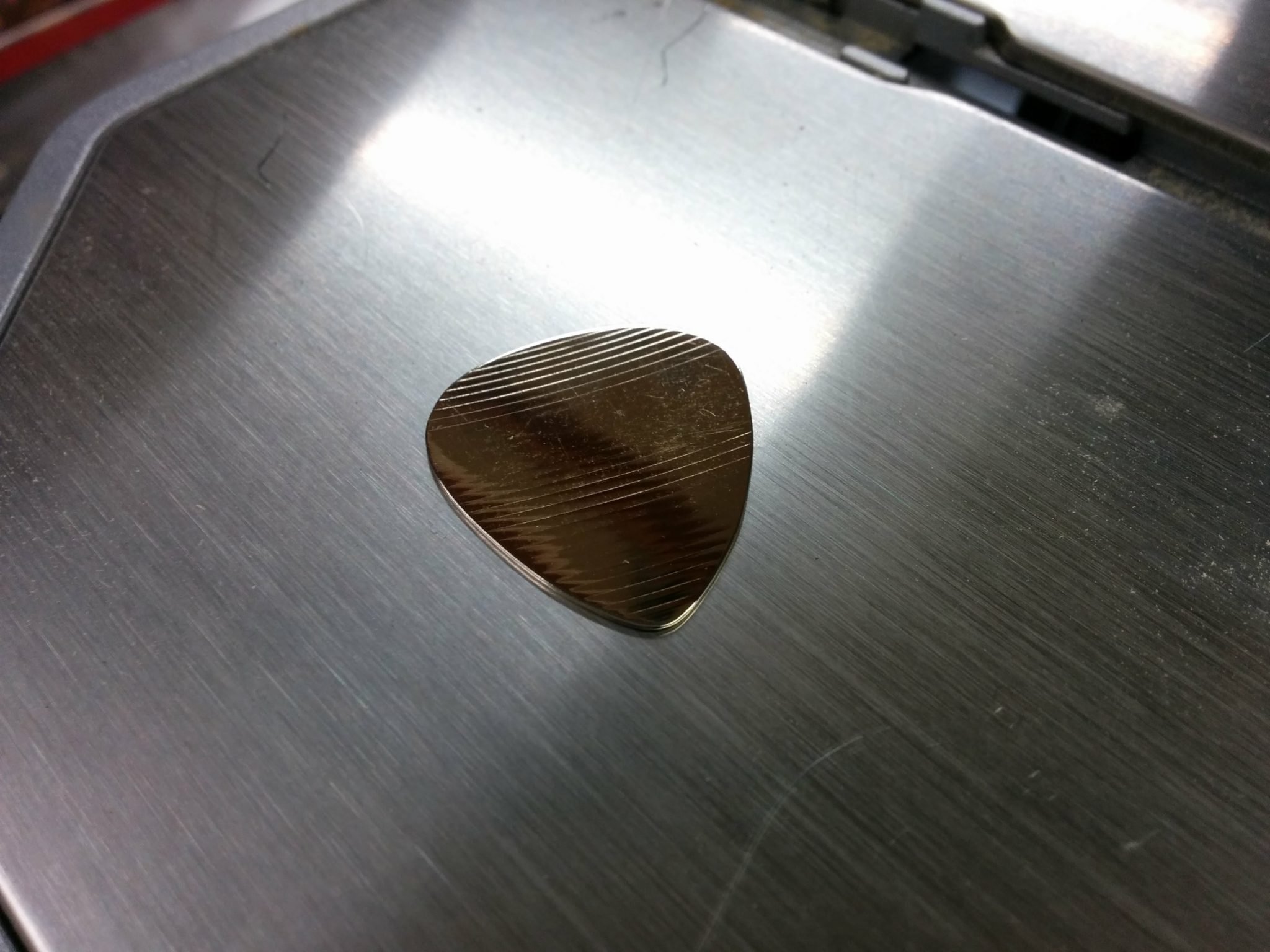
All done.

The final product.
The final product.


All in all, this worked out better than I expected.  Now it’s time to get into production mode and crank out a bunch more.


I’m going to test these out but I don’t have a lot of experience playing with metal picks.  They almost feel too slick so I may need to experiment with adding some texture somehow..  Have any of you made these before?  If so, how did they work as actual guitar picks?  Let me know in the comments below.

Update: I created a follow-up post with a few things I did differently.  You can find that here.